The pirogue — the flat-bottomed dugout the Chitimacha and Houma developed for the bayous — is what made the upper Lafourche habitable before sugar made it rich. The Center at Nicholls is the only academic institution in America focused on still-living pirogue craft. E.D. White's 1825 cypress house produced the only Louisianan ever appointed Chief Justice of the United States. Laurel Valley is the largest surviving 19th-century sugar plantation complex in the country, preserved by neglect rather than restoration. The Wetlands Center ties the boats to the bayou Cajun culture they served. Sugar made the upper parish. Boats made sugar possible.
The route
 1Cultural HeritageCenter for Traditional Louisiana Boat Building
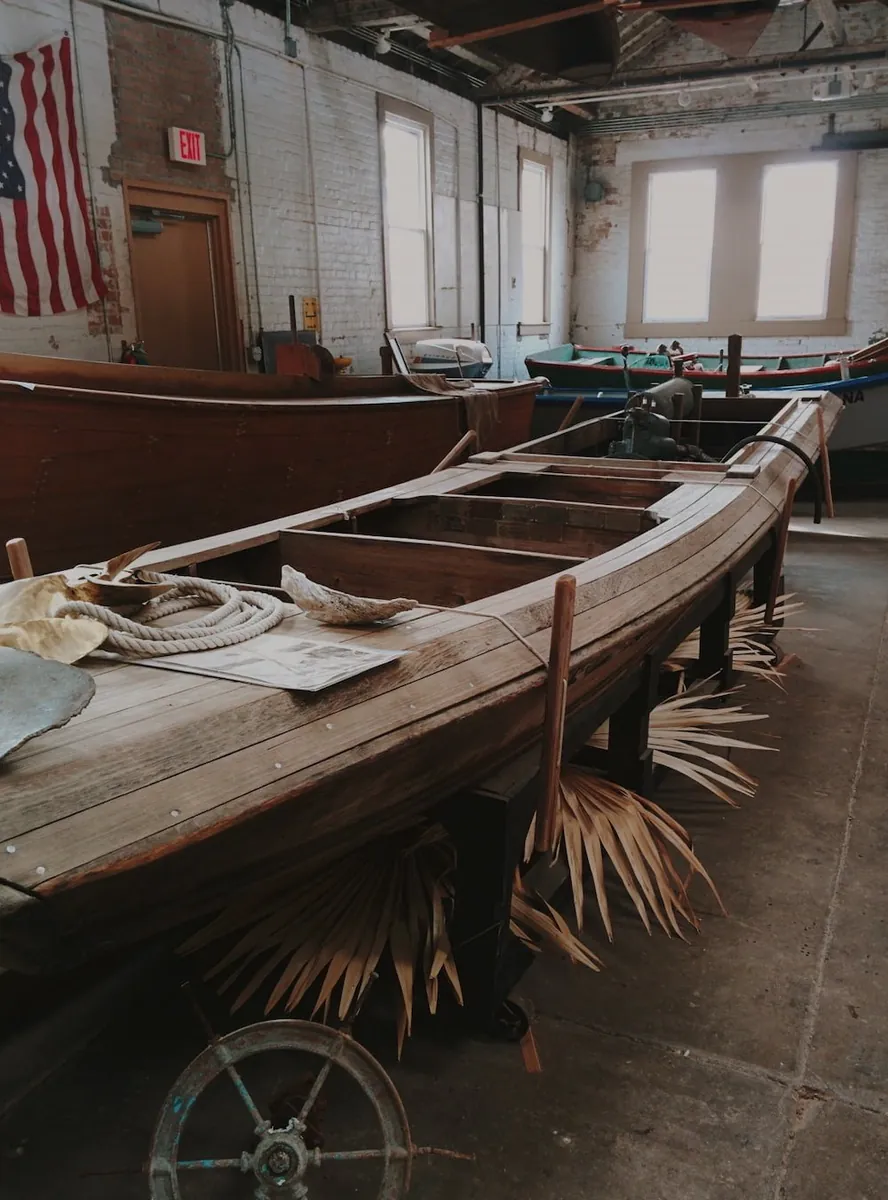
The pirogue — a flat-bottomed dugout canoe developed by the Chitimacha and Houma peoples for navigating shallow bayous — passed into the hands of Cajun trappers and fishermen four centuries ago and never left. They adapted it, argued over the proper proportions, built it in their own backyards, and passed the craft down. This is not a museum artifact. People still build pirogues. People still use them. The Center for Traditional Louisiana Boat Building at Nicholls State University in Thibodaux preserves and teaches that construction. It is the only institution in the country focused specifically on Louisiana traditional boat building. You will not find another place where the specific materials, methods, and proportions of Louisiana's flatwater craft are treated as living practice rather than historical footnote. Contact the university for tour availability and workshop schedules. What you're visiting is not a collection but an active workshop — wood shavings, templates, the ongoing argument about how to shape a hull for a particular stretch of water.
 2Historic Site·1825·NRHPE.D. White Historic Site
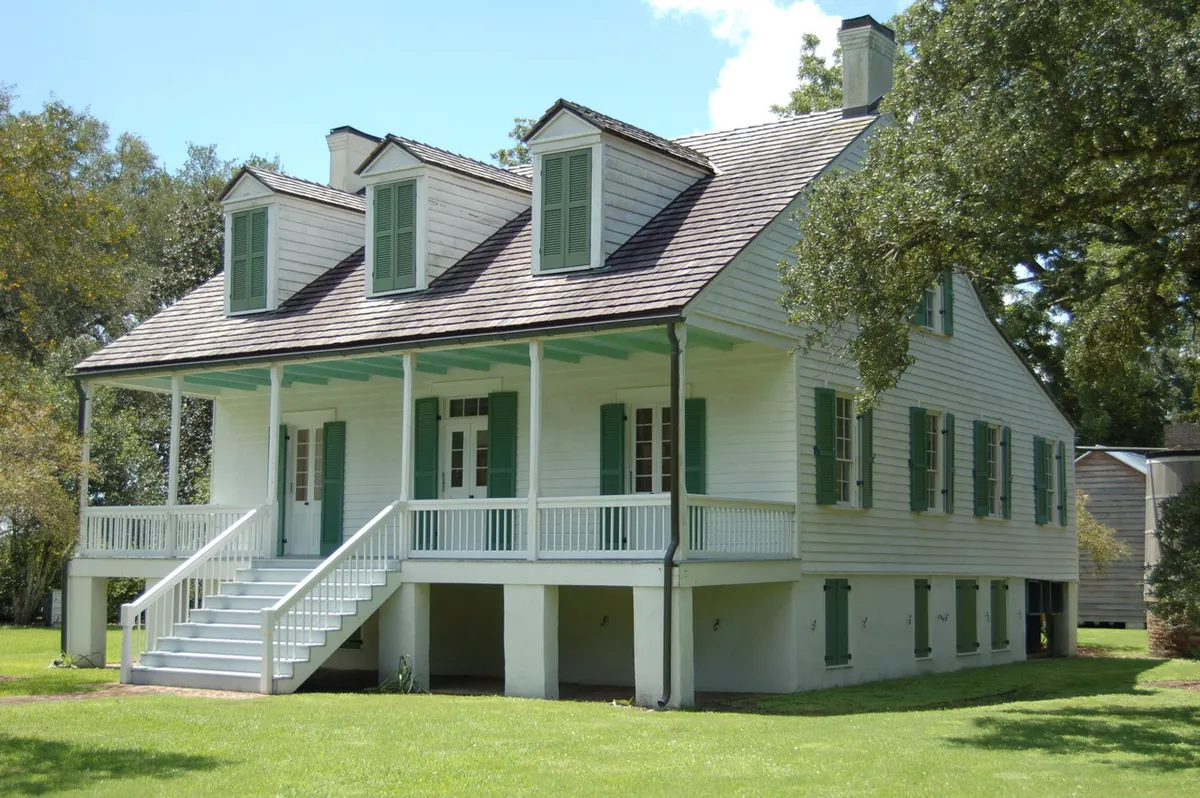
Cypress cut in 1825 holds up a house that raised a governor and a Chief Justice. Edward Douglas White Sr. lived here when he held Louisiana's governorship in the 1830s. His son, Edward Douglas White Jr., became the only Louisiana native ever appointed Chief Justice of the United States Supreme Court, serving from 1910 to 1921. The structure started as Creole plantation style — cypress frame, galleries facing Bayou Lafourche — and later took Greek Revival modifications. What stands now belongs to the Louisiana State Museum, which runs exhibits on the Chitimacha people who shaped this coast first, the Acadian settlers who followed, the enslaved people who worked the cane fields, and the plantation system that organized it all. The house sits three miles north of Thibodaux on the bayou. Admission is free. You go because two centuries of Louisiana power passed through these rooms, and because the museum chose not to tell only the victor's half of the story.
 3Historic Site·1832·NRHPLaurel Valley Plantation
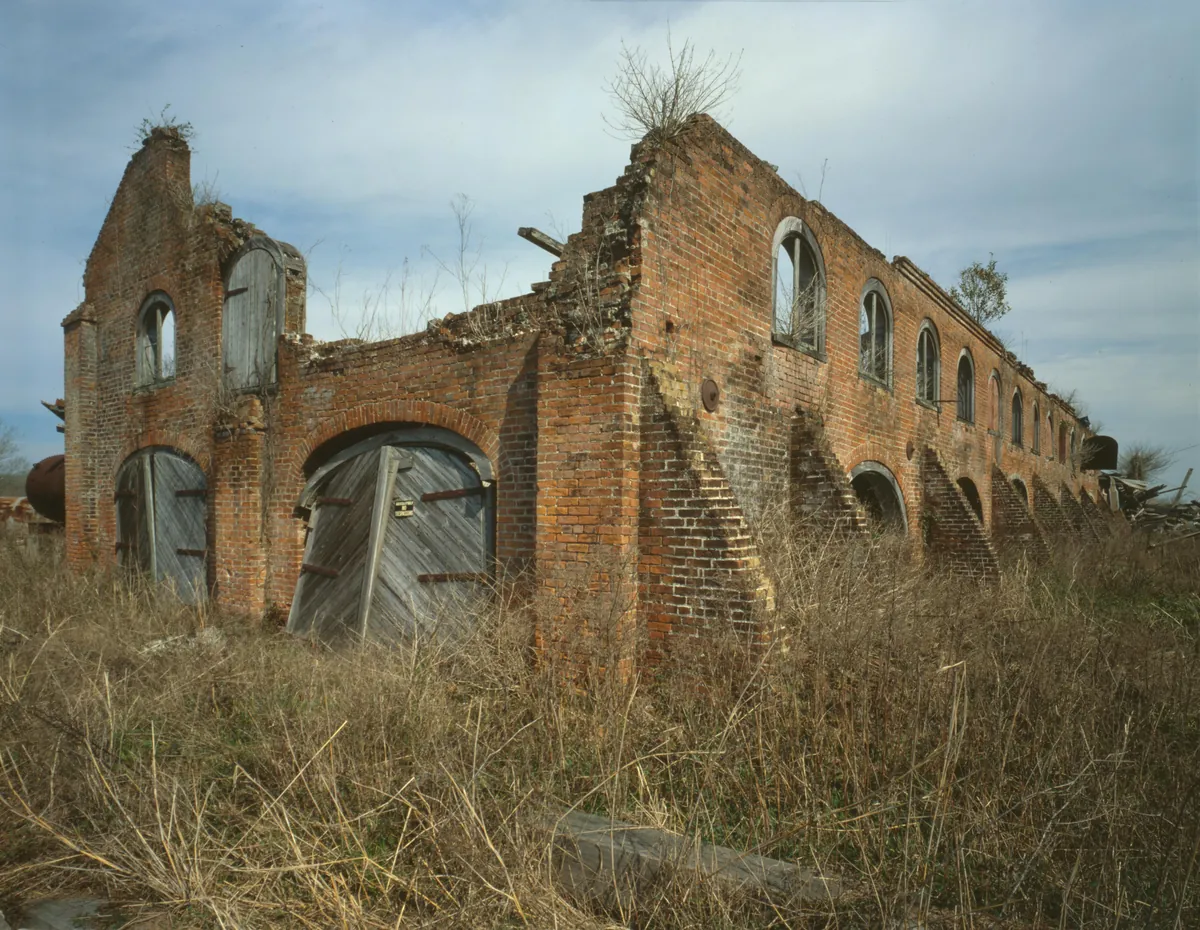
Etienne Boudreaux bought a Spanish land grant two miles south of Thibodaux in 1785 — one of thousands of Acadians expelled from Nova Scotia who made their way to southern Louisiana. Joseph W. Tucker, a Virginian, bought the property in 1832 and built what became the largest sugar producer in Lafourche Parish. As many as 135 enslaved people lived and worked here before the Civil War. Union soldiers burned Tucker's main house. The mill stopped production in 1926. What survived is the largest 19th- and 20th-century sugar plantation complex in the United States. Creole cabins built circa 1845. Shotgun houses built circa 1895 to shelter workers after emancipation. The sugar mill, damaged during Hurricane Betsy in 1965, still stands in ruins. The Boudreaux family home from 1816 is the oldest structure on the property. Hurricane Ida destroyed more than a dozen buildings in 2021, but about 40 original structures remain. The place was preserved by neglect. The buildings are weathered, overgrown, exactly where they were left. There is no sanitized visitor experience — what you see is what a working sugar plantation community looked like. A general store at the entrance displays tools and farm implements used in the cultivation of sugarcane. The property is still a working sugarcane farm. Listed on the National Register of Historic Places in 1978. Highway 308, two miles south of Thibodaux.
- 4Nature & ParksWetlands Acadian Cultural Center
The bayou corridor has a different shape from the prairie or the city — long, narrow, built along water, held together by trapping and fishing and the kind of isolation that makes music necessary. This center focuses on that version of the Acadian story, one of three in the Jean Lafitte National Historical Park network that together interpret bayou, prairie, and urban experiences as three distinct ways of enduring. It fronts Bayou Lafourche in Thibodaux. The other two centers are in Lafayette and Eunice. Admission is free. On weekends there's live music, which makes sense — the bayou communities didn't just trap and fish, they played, and what you hear now is what carried through.