The territorial capital wasn't Natchez — it was Washington, six miles east, from 1802 to 1821 (territorial capital until 1817, then state capital). This walk reads what the city wrote down on stone: Jefferson College's 1802 charter, the Federal mansion where John A. Quitman planned the charge at Chapultepec, and the museum that finally names what the headstones in the white churchyards never did — that the wealth on every marker was extracted from people the same churches refused to bury beside them.
The route
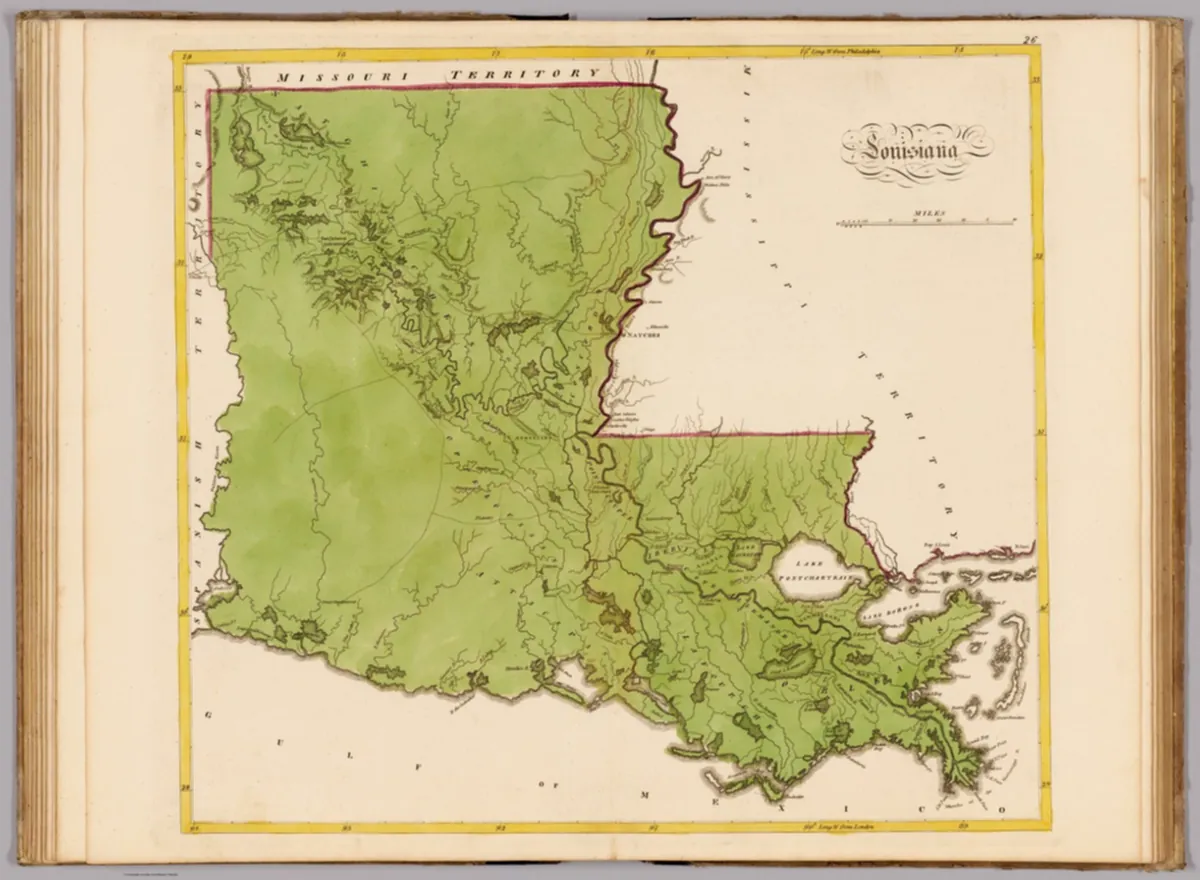 1Historic Site·1802–1817·NRHPHistoric Washington — Territorial Capital
Aaron Burr was arrested in Washington in 1807 after his western conspiracy collapsed — no breakaway empire, just federal custody six miles from the Mississippi River. This was not incidental geography. Washington served as capital of the Mississippi Territory from 1802 to 1817, the years when Natchez transitioned from a river town with French and Spanish roots into American political fact. The city had been Fort Rosalie in 1716, a French trading post that became the site of the 1729 Natchez Rebellion, when Natchez Indians killed 229 French colonists in the largest such attack in Mississippi's history. By the time Washington became territorial capital, that violence was memory, but the question of who governed the lower Mississippi was not yet settled. Burr's arrest made it clear. Jefferson College, chartered in 1802, was the first educational institution in the Mississippi Territory. The Mississippi Department of Archives and History now operates Historic Washington as a village with restored territorial-era buildings. Open Tuesday through Saturday, 9am to 5pm, six miles east of downtown Natchez on US-61. Modest admission. You go to see what a territorial capital looked like before statehood, when the outcome was not guaranteed.
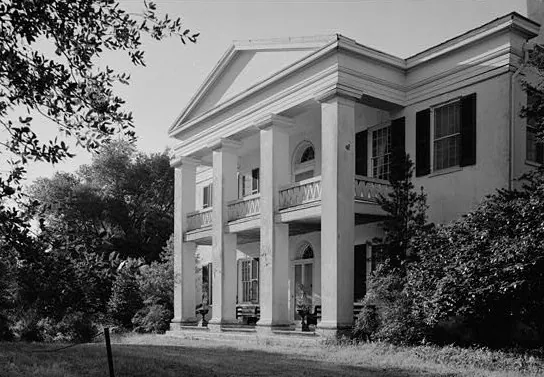 2Architecture·1818·NHLMonmouth Historic Inn
John Quitman bought Monmouth in 1826, eight years after it was built, and spent the next three decades turning it into the house that defines antebellum Natchez. He was a general who led the charge at Chapultepec and governed Mexico City after the siege. Back home, he served as Mississippi governor. The 1853 renovation added the four-column portico and Greek Revival stucco scored to look like stone — the mansion you see now. Quitman died at Monmouth in 1858. A year later, his wife Eliza followed. The Civil War arrived in 1862. Union soldiers occupied the house in 1863 and stripped it. Quitman's daughters sold most of what remained in 1865. For the next century, Monmouth decayed. In 1978, Ronald and Lani Riches bought the ruin and spent three years bringing the main house and brick kitchen back. They tracked down Quitman's desk, two four-poster beds, and the family Bible. The memorabilia now includes the gold sword Congress gave him for the Mexican-American War and the red handkerchief he used to rally troops at Chapultepec. Monmouth is a National Historic Landmark and operates as a 30-room luxury inn. The mansion, gardens, and reconstructed slave quarters are open to guests. The restaurant takes reservations from non-guests for dinner. Tours run daily at 10 a.m. and 2 p.m. You're standing in the house where a man who led armies came home to die, and where his daughters pledged loyalty to the country he once fought to save what was left.
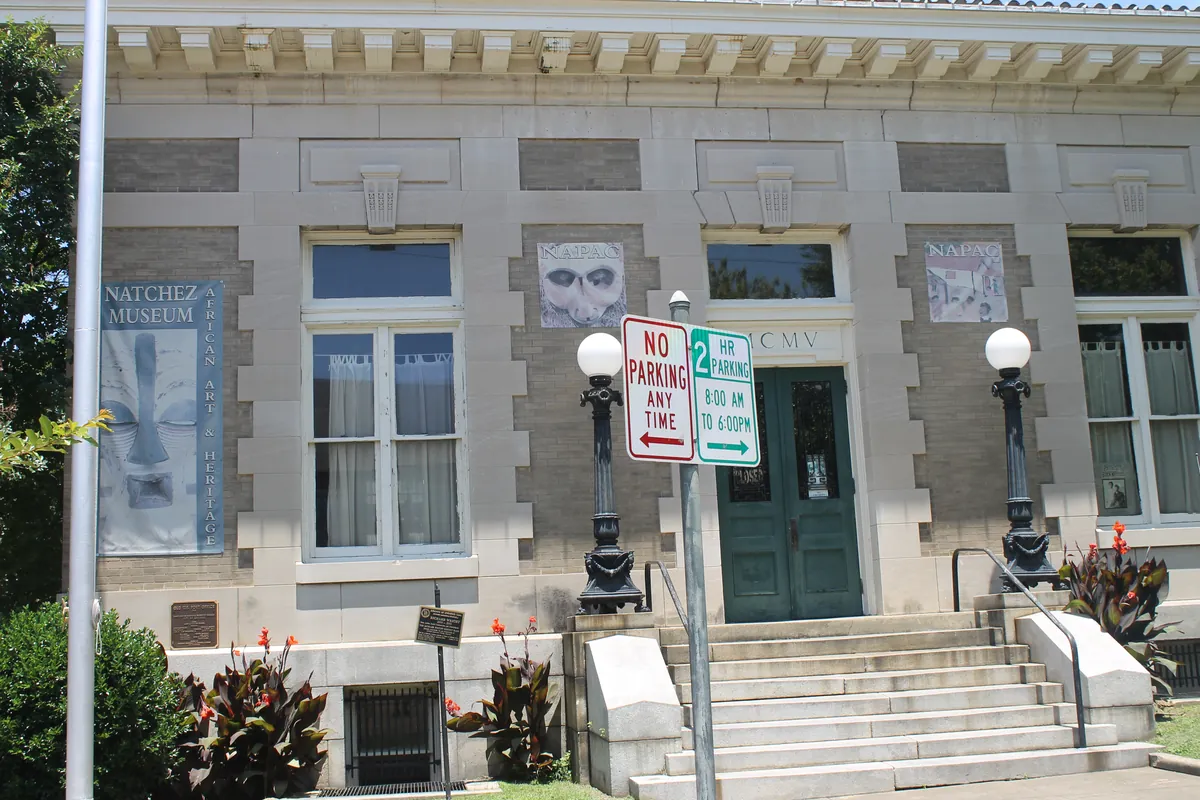 3Museum·operatingNatchez Museum of African American History and Culture
The Natchez Association for the Preservation of African American Culture opened this museum in 1991, occupying 10,000 square feet in the former United States Post Office, built around 1904. The collection documents African American life in Natchez from the city's incorporation in 1716 to the present, using art, photographs, manuscripts, artifacts, and books. One exhibit covers Forks of the Road, the second largest slave market in the southern United States, which received international recognition by the United Nations for its role in the international slave trade. The collection includes material on the enslaved Prince Abdul Rahman Ibrahima ibn Sori. Another exhibit documents the Rhythm Nightclub fire, where over 200 African American Natchez citizens died. A third is dedicated to Richard Wright, a Natchez native and critically acclaimed author. In February 2022 the museum opened a permanent exhibit honoring Daisy C. Newman, an African American soprano soloist born in Natchez in 1947 who died in 2021. She earned the nickname "Black Butterfly" for her portrayal of Cio-Cio San in "Madame Butterfly," performed on stages worldwide, and was nominated for a Tony award for her performance in "Porgy and Bess." The exhibit features a portrait donated by her sister, Dorothy Hills, along with videos of Newman's performances. Staff have contributed to living history programs portraying Hiram Revels, a freedman who helped raise two African-American regiments during the Civil War and later became the first African American to serve as a senator from Mississippi, and Wilson Brown, an escaped slave who joined the United States Navy and was awarded the Medal of Honor for heroism on the USS Hartford during the Battle of Mobile Bay in August 1864. Open Monday through Saturday. Small admission fee. Allow one to two hours.