Cajun music is not a heritage performance — it is a working calendar, and Saturday is the day it runs. Fred's Lounge in Mamou opens at 8 a.m. and broadcasts live over KVPI, the way it has since the 1960s. Marc Savoy's accordion shop east of Eunice holds its jam the same morning. Breaux Bridge serves the zydeco breakfast. La Poussière fills its floor with two-steppers that night, and the Blue Moon in Lafayette closes the loop. One Saturday. Five rooms. The grandparents taught the steps.
The route
 1Music·1946Fred's Lounge — The Saturday Morning Broadcast
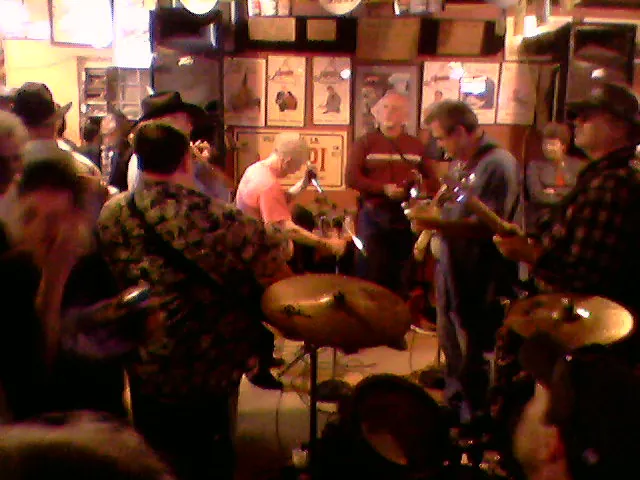
Alfred "Fred" Tate bought the building in 1946. By 1950, Fred's Lounge had revitalized the Courir de Mardi Gras tradition. Since 1962, radio broadcasts from the bar have been done in Louisiana French. Every Saturday morning since the 1960s, a live Cajun band plays starting at 8am, broadcast over KVPI radio. The bar is small, the band is loud, the dancing starts immediately. The broadcast ends around noon. The bar closes. Mamou goes quiet again. During Mardi Gras, the bar is open for the rest of the week. This is Acadiana — a region named for the Acadian refugees expelled from Canada by the British at the end of the Seven Years' War. The descendants of those exiles intermarried with other settlers, forming what became Cajun culture. At Fred's Lounge, you're not watching a performance. You're standing in a room where Louisiana French never stopped being the language of broadcast, where people who grew up with this music dance to it the way their parents did. In 1996, Louisiana governor Mike Foster declared Fred's Lounge the launching place of the Evangeline parish French renaissance. Arrive early. It fills fast. Located on Sixth Street in Mamou.
 2MusicSavoy Music Center
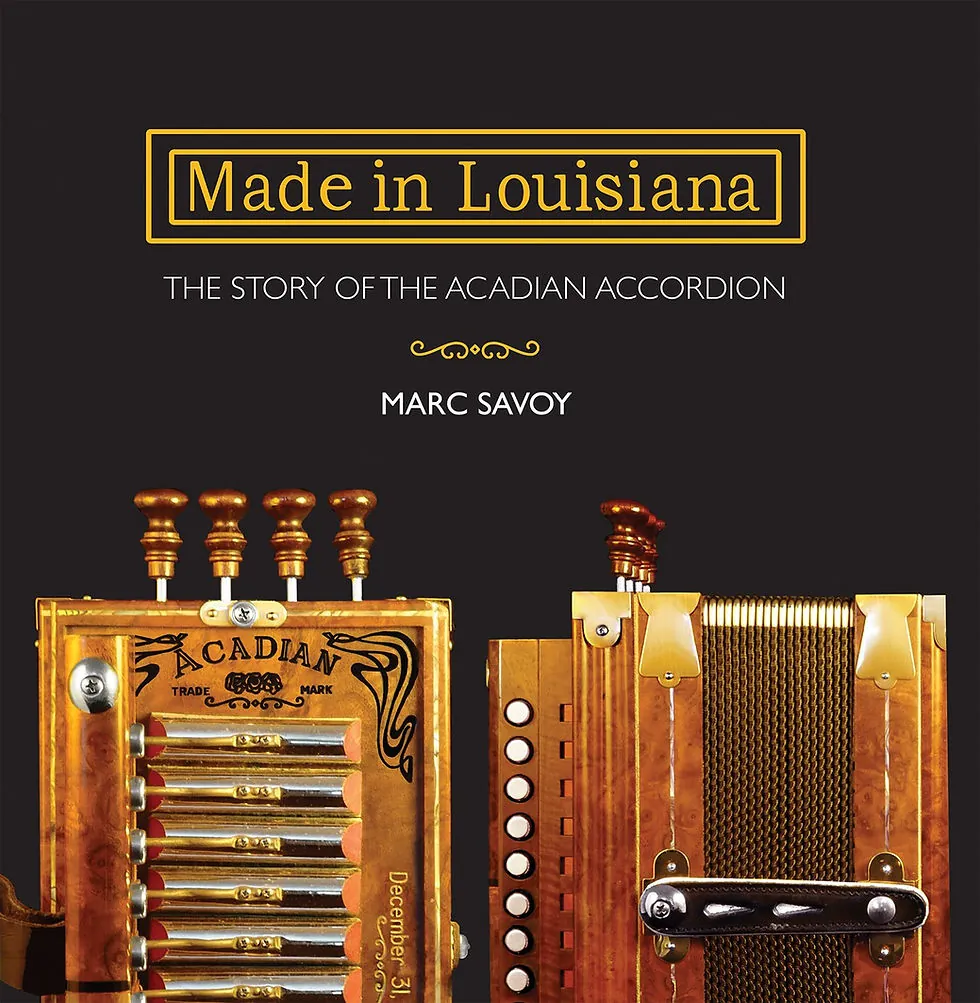
Marc Savoy has built Cajun accordions by hand here since the 1960s — one at a time, the same diatonic button accordion that defines the Cajun sound. Saturday morning jam sessions at the shop have drawn musicians for decades. His wife Ann Savoy is one of the foremost scholars and performers of Cajun and Creole music. Their son Joel Savoy runs Valcour Records, a leading label for Louisiana traditional music. The family has done more to document and sustain the Cajun musical tradition than any single institution in Louisiana. That's not promotional copy — it's the actual record. Marc building accordions in the back. Ann teaching and performing. Joel recording and releasing the work of musicians who would otherwise go undocumented. The shop sits on the highway east of Eunice, and the Saturday jam is the best time to visit.
 3Food & DrinkCafé Sidney Mae — The Zydeco Breakfast
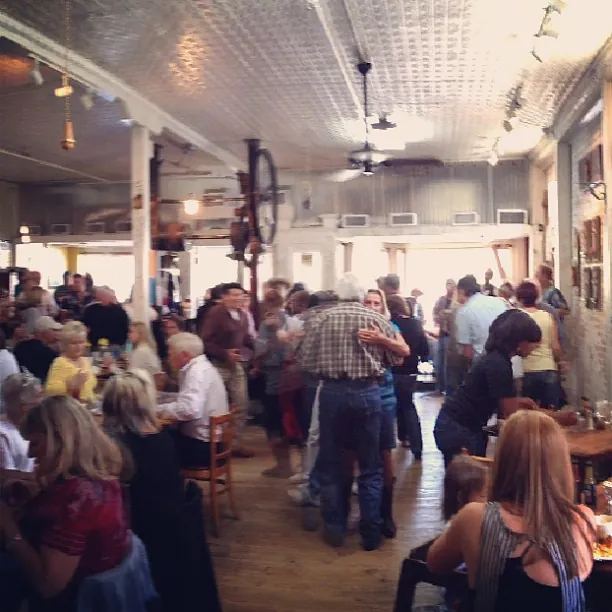
The best breakfast in Louisiana starts with a fiddle and ends with strangers teaching you to two-step. Café Sidney Mae, in the same building on Porte Street that once housed the legendary Café des Amis — where Anthony Bourdain filmed — still runs the Saturday morning zydeco breakfast that made this corner of Breaux Bridge matter. Live music starts around 8:30. The tables get pushed back. The dance floor opens before the eggs arrive. People come for the crawfish-stuffed omelets and café au lait, but they stay because someone's grandmother just pulled them onto the floor to learn the footwork. This is Acadiana — the French Louisiana region where Acadian refugees settled after the British expelled them from Canada at the end of the Seven Years' War. The food, the language, the two-step: all of it traces back to those families who rebuilt here. The breakfast is what that rebuild sounds like on a Saturday morning. Verify hours before you go. The schedule shifts. But when it's on, it's the thing Bourdain came to film, and the thing that outlasted the sign on the door.
 4MusicLa Poussière — The Cajun Dance Hall
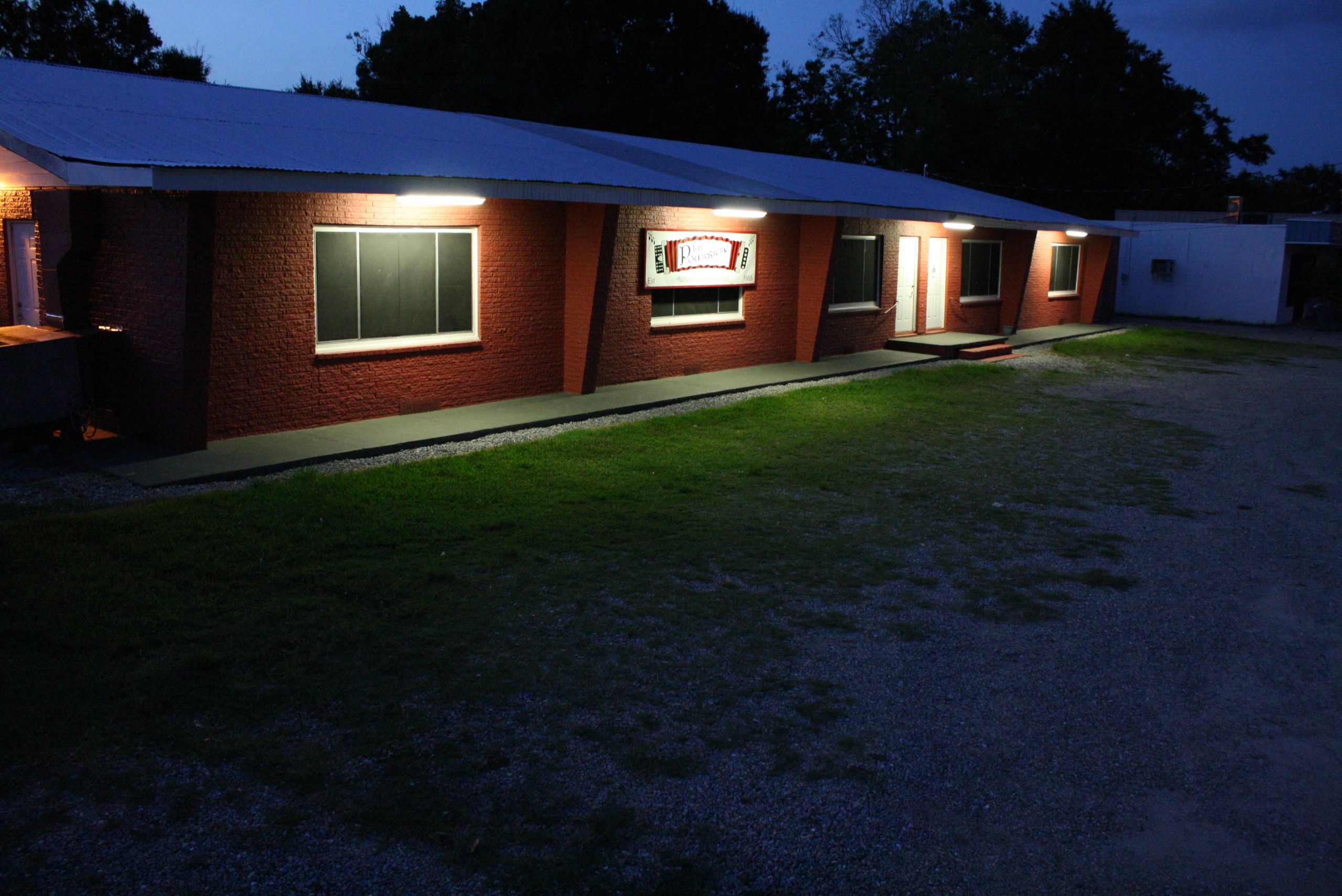
La Poussière got its name from the dust dancers kicked up on the original dirt floor. The floor has been replaced. The name stayed. This is one of the oldest continuously operating Cajun dance halls in Louisiana — live music and dancing since the 1950s. The Balfa Brothers played here. Steve Riley and the Mamou Playboys still do. On Saturday nights, multigenerational crowds dance the Cajun two-step and waltz. Newcomers are expected to join. Someone will show you how to dance. The region called Acadiana was settled by French-speaking Acadian refugees expelled from Canada by the British at the end of the Seven Years' War. The Acadians intermarried with other settlers, forming what became Cajun culture. La Poussière is not a performance of that culture for tourists. It is Cajun culture, doing what it does on Saturday nights. Open Saturdays. Arrive by 8pm.
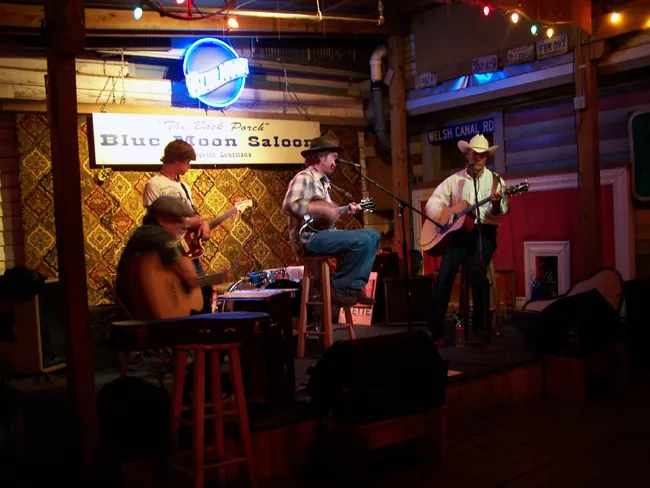 5MusicBlue Moon Saloon — Lafayette
The best music in Lafayette doesn't happen at festivals. It happens Wednesday nights at the Blue Moon Saloon on Lee Avenue, where the free Cajun jam pulls locals and visitors into a small room close enough to see fingers work the frets. This is where the city's live music anchors downtown — Cajun, zydeco, swamp pop, roots acts passing through an intimate space that operates on a simple principle: proximity matters more than production. The back patio fills early, because people know what they're getting. Lafayette is the heart of Acadiana, the 22-parish region that took shape when Acadian refugees expelled from Canada after the Seven Years' War settled along the Vermilion River and intermarried with the people already here — Attakapa, enslaved Africans, free people of color, later arrivals. French stayed in the language, the surnames, the casual everyday phrases that still surface in English sentences. The music that came out of that long mixing is what you hear at the Blue Moon: not preserved tradition, but a living vernacular. The venue doubles as a guesthouse, which means you can sleep where you just danced. Small-room venues like this one define a music city more honestly than any arena or weekend festival, because they require nothing from you except that you show up and pay attention. No ticket presale. No photo pit. Just the room, the players, and whoever walked in off Lee Avenue to see what Wednesday sounds like.