Top picks in Providence
The places most worth your time here.
Connect People to see which places friends and family recommend here.
Connect People →Landmarks
47 places worth the detour
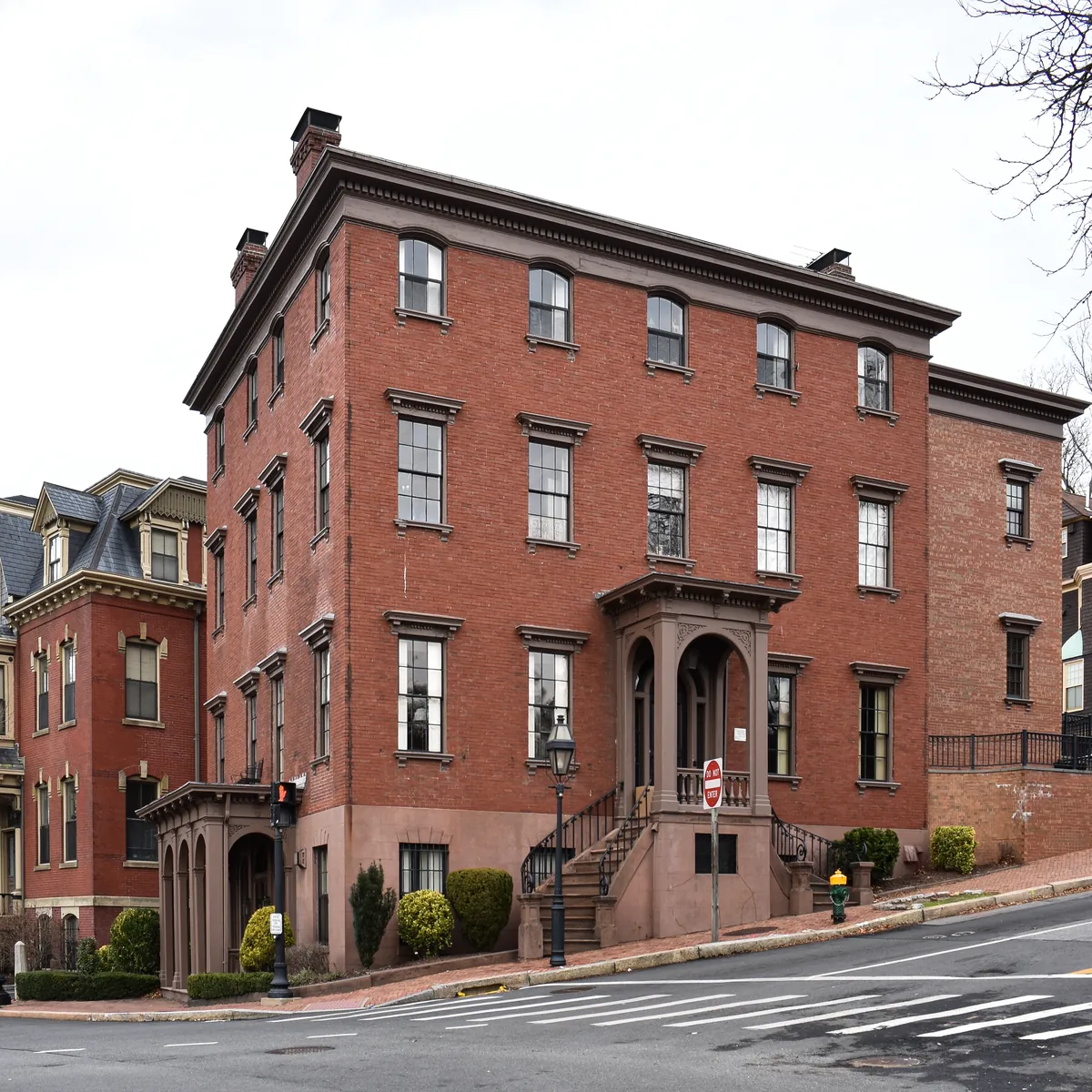
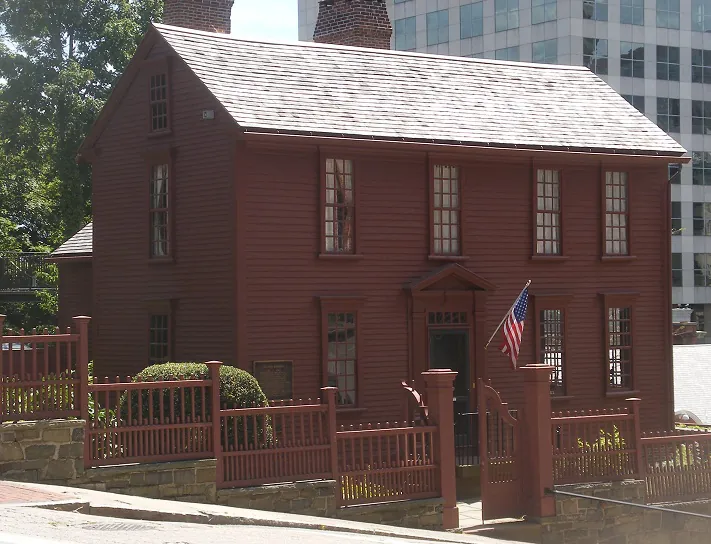
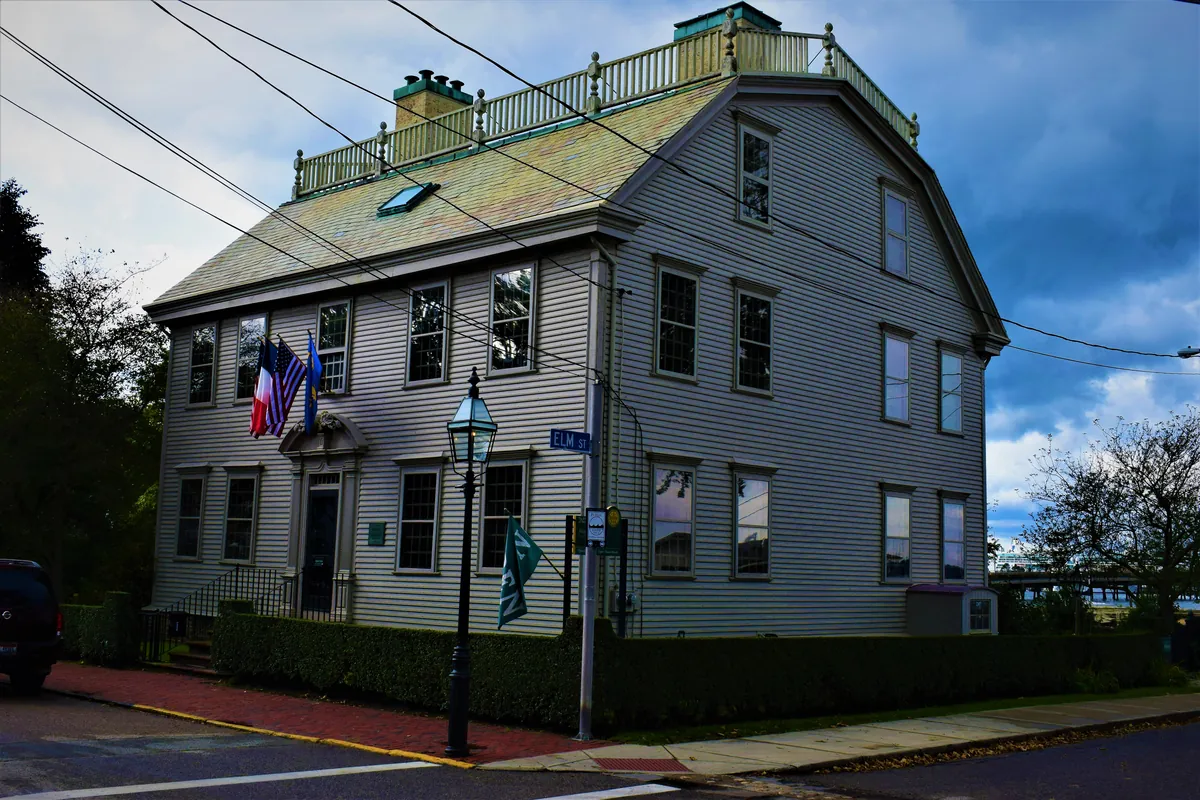
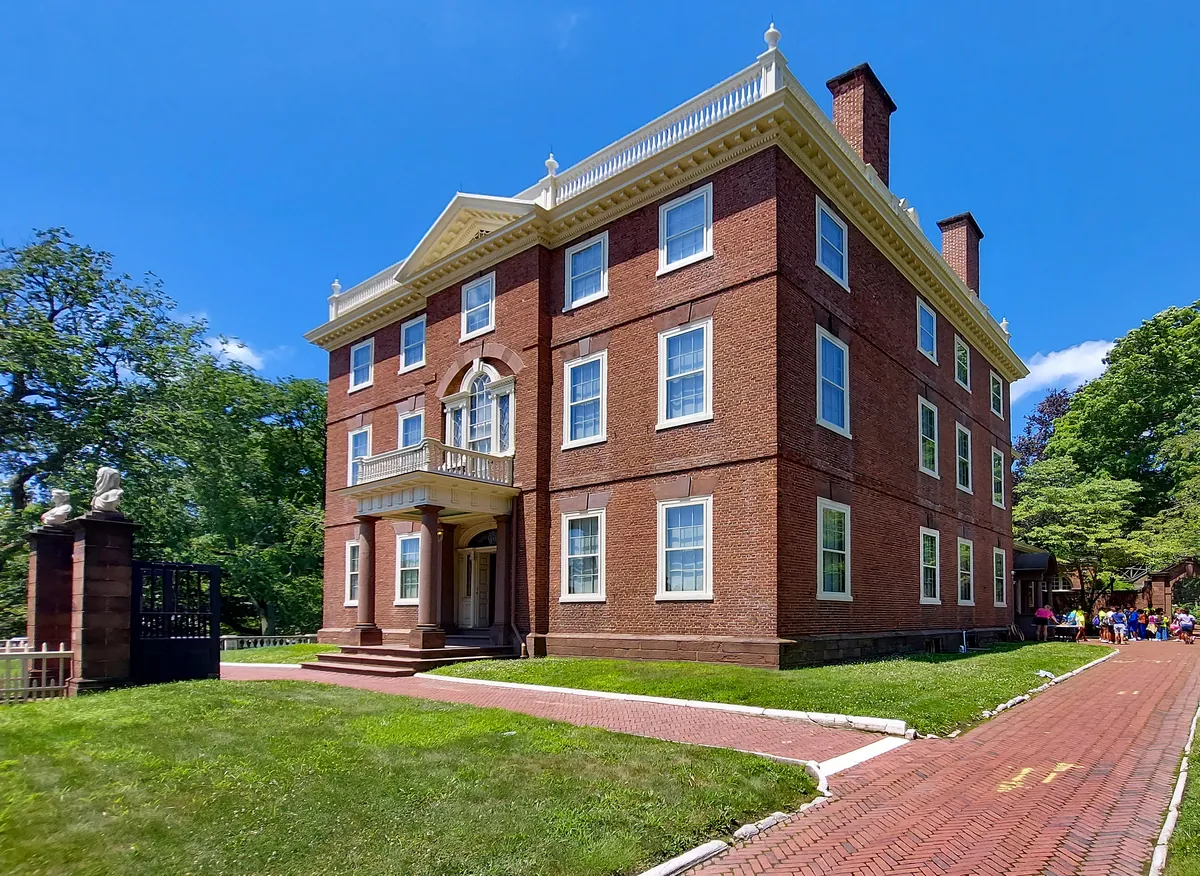
The walking path that became Back Street, then Benefit Street, has been accumulating architecture since Providence's founding lots first ran…
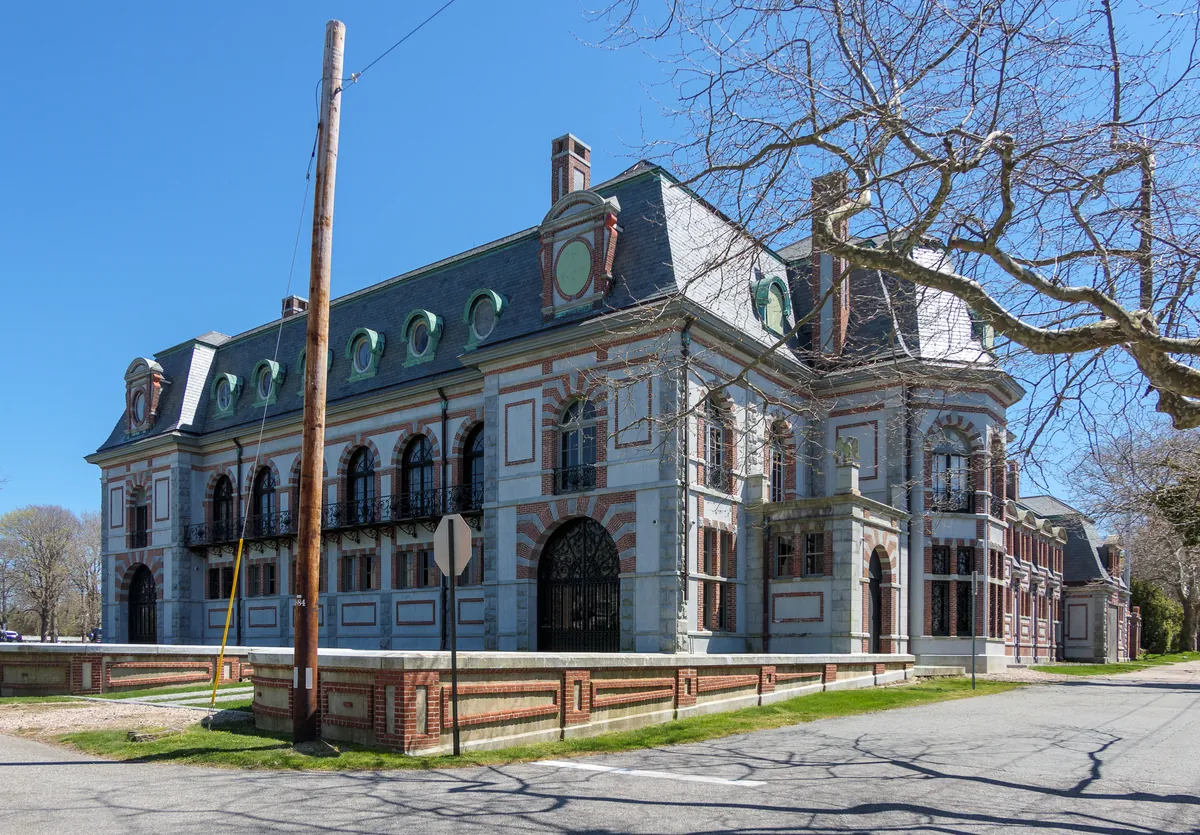
Richard Morris Hunt built it for Oliver Hazard Perry Belmont between 1891 and 1895, modeled on the hunting lodge Louis XIII built at Versail…
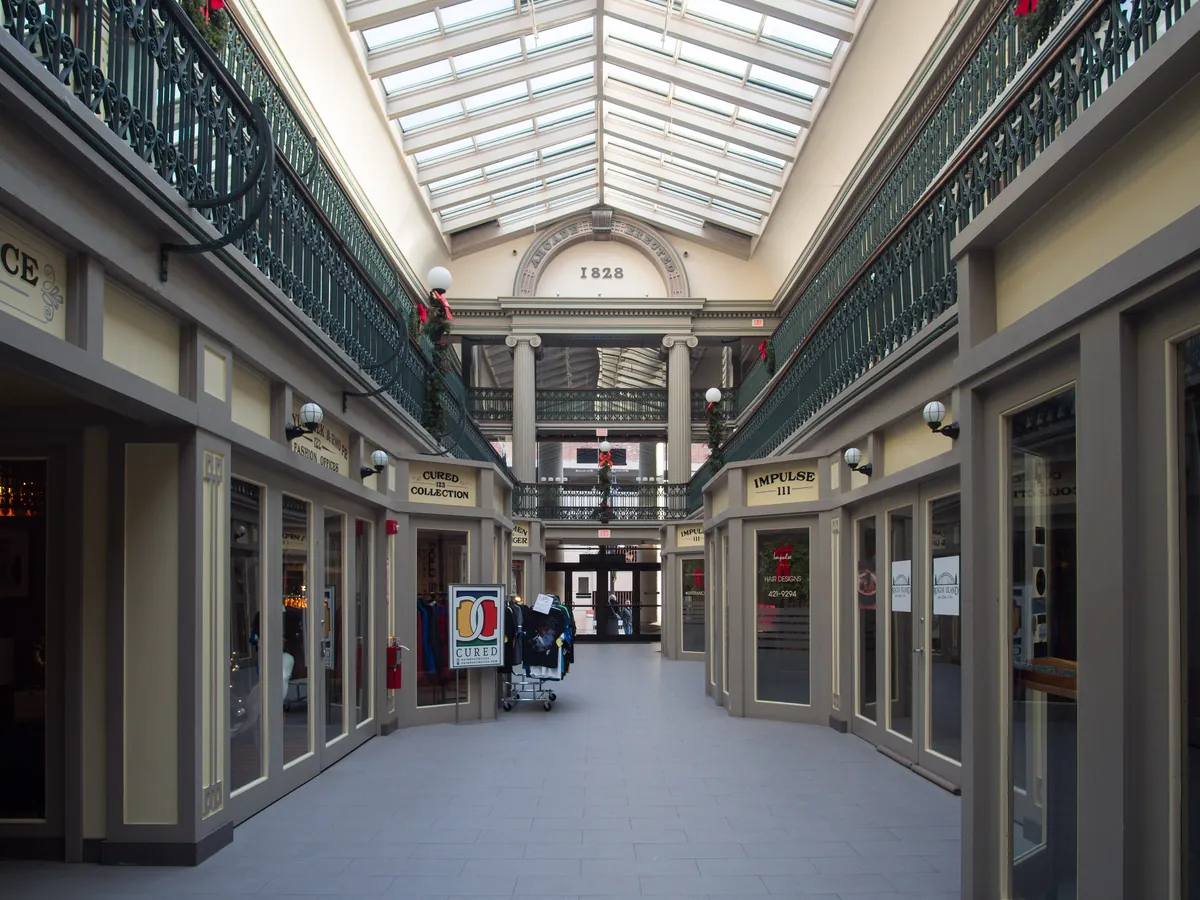
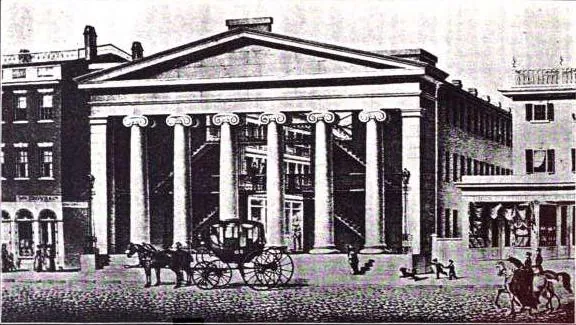
Six massive Ionic columns — each 45 feet high, quarried eight miles away in Johnston and hauled over dirt roads by oxen teams — announce a b…
tap the eye to open · swipe or use buttons to browse
Roger Williams arrived at the confluence of the Moshassuck and Woonasquatucket Rivers in June 1636 not because the land was promising but because he had run out of colonies willing to have him. The…
Read the full storyOn the map
Reading
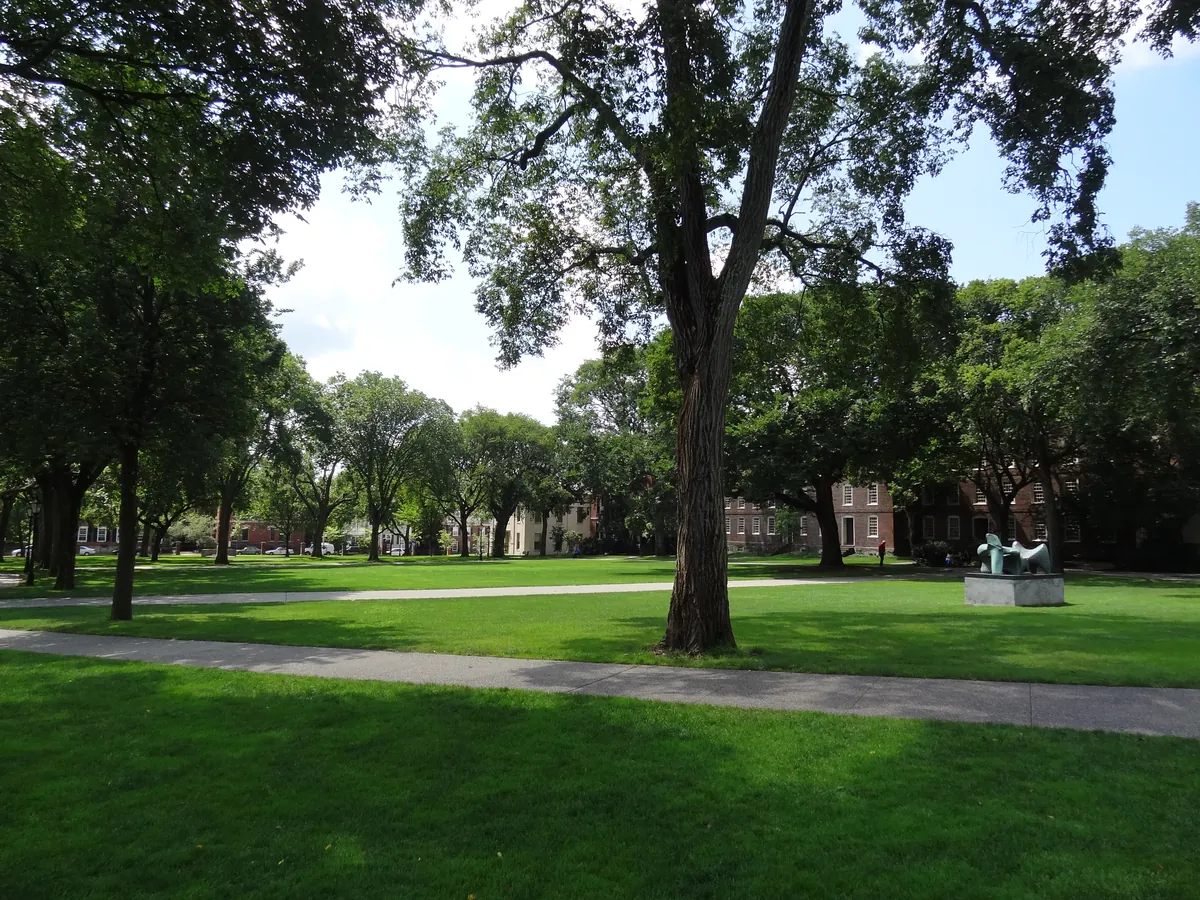
In 1770, John and Moses Brown purchased a four-acre lot on Providence's East Side, and Rhode Island College moved in — a transaction that signaled Providence's rising dominance over Newport, where residents were already discussing a rival college to counter the loss. The Brown family's investment didn't stop with that lot: Nicholas Brown Jr.'s gift later renamed the institution, and his grandson John Carter Brown spent decades from 1845 onward hunting European archives for books on New World exploration, eventually assembling roughly 7,500 volumes. By 1901 that collection, along with funds for a building, passed by bequest to Brown University; the Beaux-Arts library designed by Shepley, Rutan, and Coolidge opened on the main green in 1904. Today Brown employs more than 5,400 Rhode Island residents and has pushed more than $225 million into the former Jewelry District. One mercantile family's early bet on a hillside lot is still compounding.
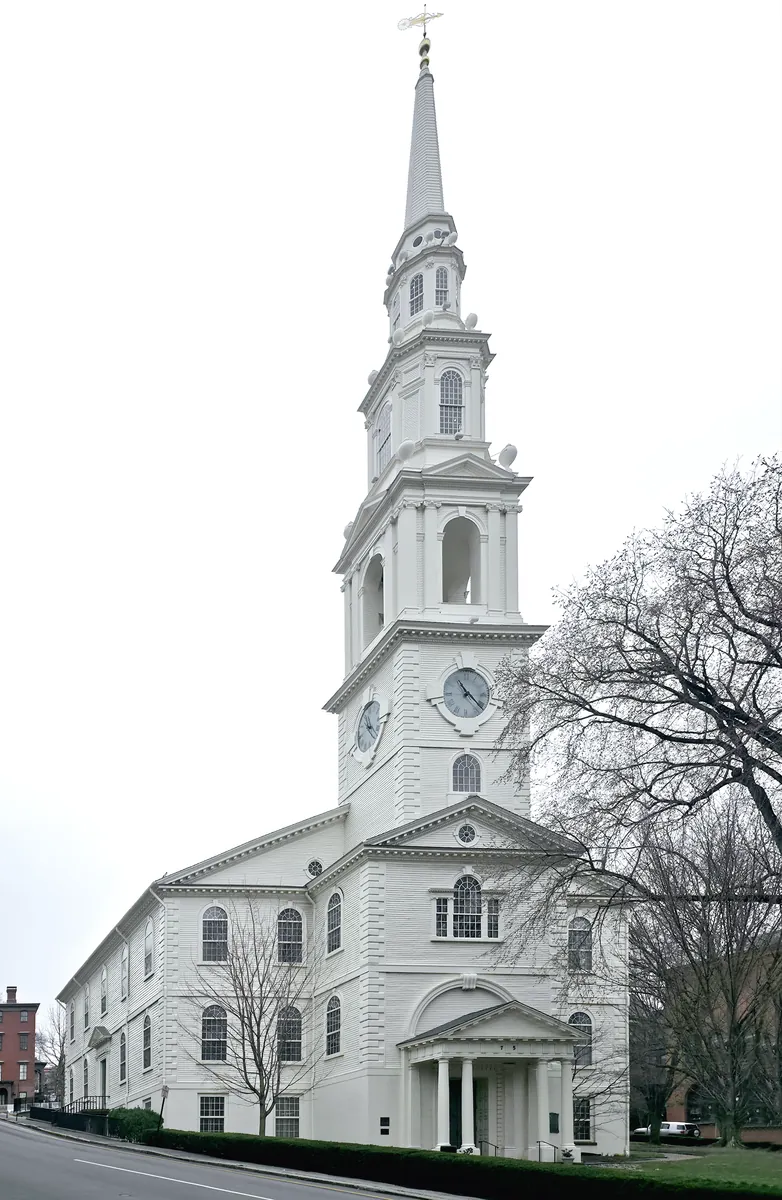
Roger Williams arrived at the head of Narragansett Bay in 1636 already marked — exiled from Massachusetts Bay Colony for insisting that the church and the state had no business governing each other. He named the settlement Providence, after what he called "God's merciful Providence," and built that founding instinct into the place itself: two years later he established the congregation that became the First Baptist Church in America on the same separationist principles. The idea held. When Rhode Island College relocated from Warren to Providence in 1770, the colony's center of gravity shifted here. Two years after that, Providence residents burned a British customs schooner in the Gaspee Affair — the first armed resistance to British rule in North America — and Rhode Island became the first colony to renounce the Crown. The dissenter's settlement turned out to be practice for something larger.
Tickets & Shows
Before you go
Lovecraft walks you down Benefit Street by name. The horror is Providence's real history — slave money, colonial rot, the weight of a city that never forgot.
Shot on the actual streets of Federal Hill for $80K, black-and-white, no safety net — Corrente filmed the neighborhood he grew up in.
Plan your trip
The only thing left to do is go.
Some of these are partner links — if you book through them, Portage may earn a commission at no extra cost to you.
Editorial content compiled with AI assistance. Place details verified against public records.