The reservoir went in in 2002 — 2,700 acres of engineered water in Richland Parish, one of the newest parks Louisiana runs. The name comes from Poverty Point, the 3,000-year-old earthworks complex a few miles away, settled between 1,400 and 700 BC. That proximity is not symbolic. The region sits in the Mississippi Flyway, and depending on season you'll see cormorants, bald eagles, ducks, geese, and pelicans working the same air corridors they've worked for millennia.
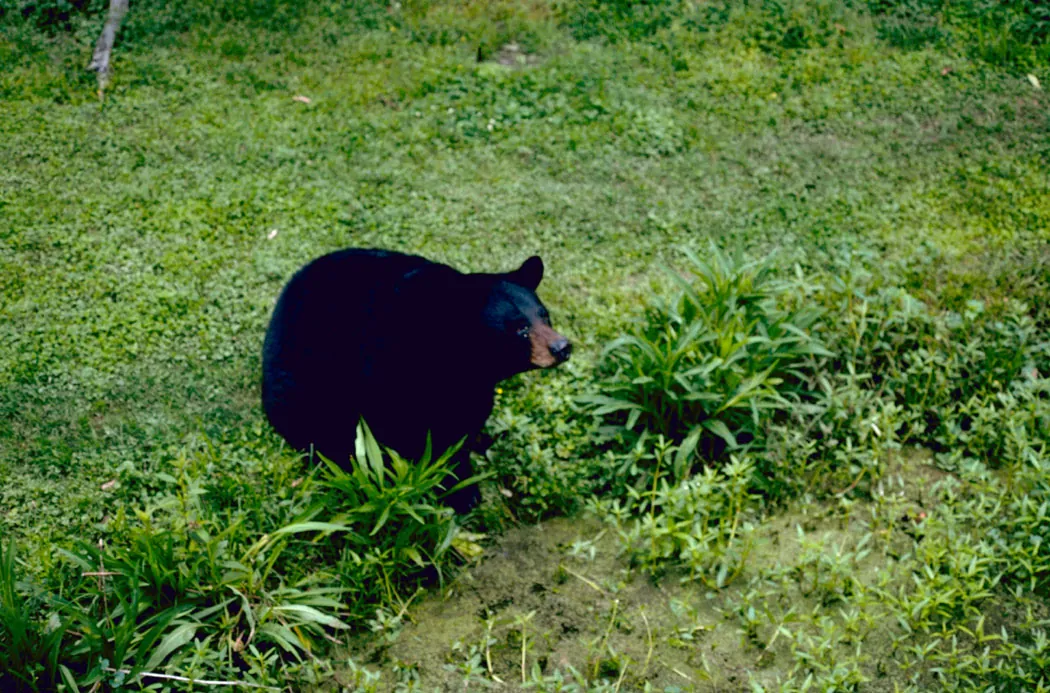
Black bears live here. The park provides bear-proof containers at all campsites — eight deluxe cabins, four standard cabins, fifty-four tent and RV sites — and visitors heading to the half-mile walking trail near Bayou Macon are advised accordingly. Facilities are still expanding; this is infrastructure catching up to use.
Fishing runs to largemouth bass, black crappie, blue gill, and channel catfish. The park built out accordingly: 48-slip marina, boat launch, fish cleaning station, concession area. The reservoir is man-made, but the fish don't know that, and the infrastructure assumes you're serious.
Off LA-17 near Delhi. The reason to go is the same reason the Poverty Point builders came: water, migration routes, shelter. The park is new. The logic is old.
- ·2,700 acres around a reservoir in Richland Parish near Delhi — one of the newest parks in the system.
- ·Active Louisiana black bear population — bear-proof containers provided at all campsites.
- ·Named for the nearby Poverty Point World Heritage Site, a 3,000-year-old earthworks complex.
- ·Reservoir completed in 2002; park facilities still expanding.
- ·Bass, crappie, and catfish fishing; boat launches and fishing pier.
- ·Cabins, campsites, and group camp. Off LA-17 near Delhi.
Memories
Editorial content compiled with AI assistance. Place details verified against public records.