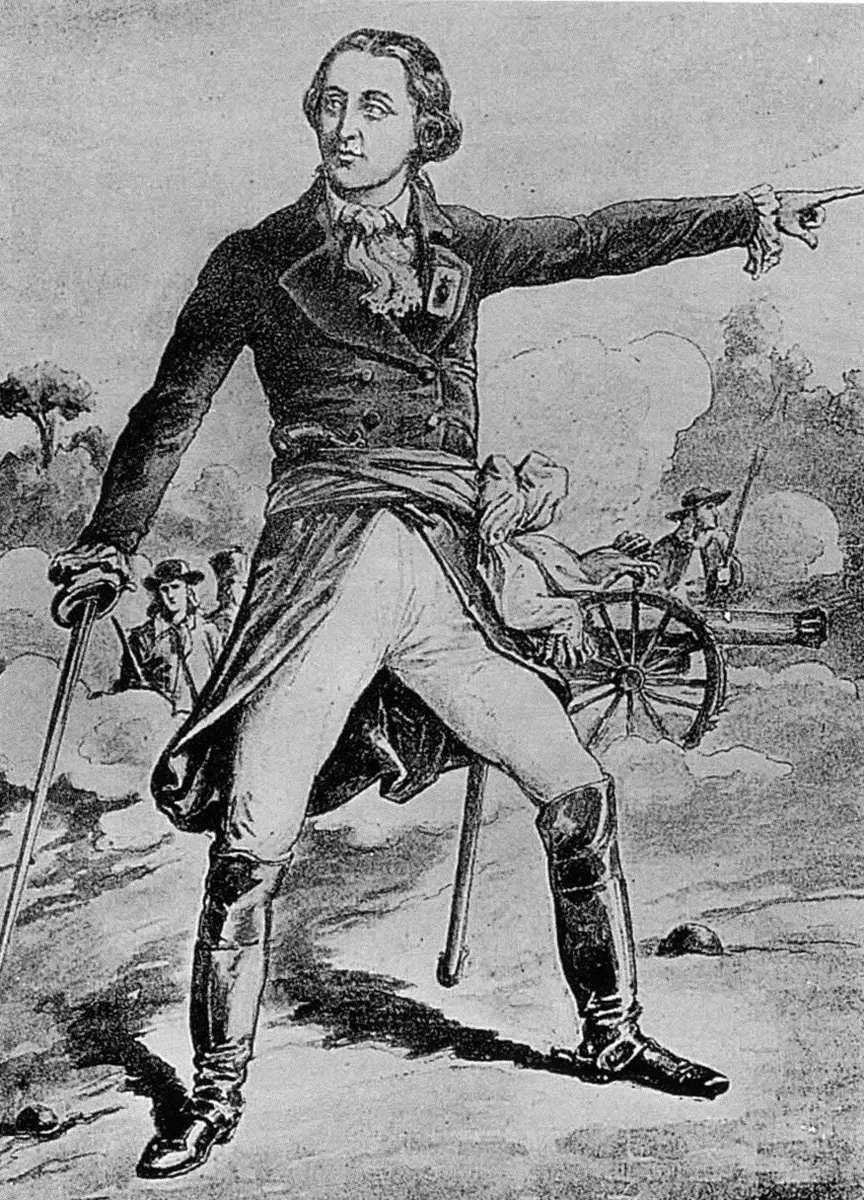
Bernard de Marigny de Mandeville was one of early Louisiana's most flamboyant figures — a Creole aristocrat who inherited a fortune at 15, introduced the dice game craps to America, and named a New Orleans neighborhood after his favorite orange grove. But his most lasting real estate venture was across the lake. Between 1829 and 1832, Marigny acquired land west of Bayou Castine on the North Shore, on parcels previously held by the Spell, Smith, and Edwards families since the Spanish colonial surveys. He built Fontainebleau Plantation on the site, naming it after the French royal forest, and in 1834 began selling lots in the town he laid out beside it. Mandeville was officially incorporated in 1840. An 18th-century Spanish survey map — drawn by a surveyor named Guillemard — shows the area between Bayous Chinchuba and Lacombe as almost completely rural, dotted with small landholders. Marigny transformed it into a planned resort community for New Orleans gentry fleeing summer heat and disease. Fontainebleau's sugar house ruins still stand in the state park that bears its name, and the town grid Marigny platted in 1834 is still the street map of Old Mandeville today.