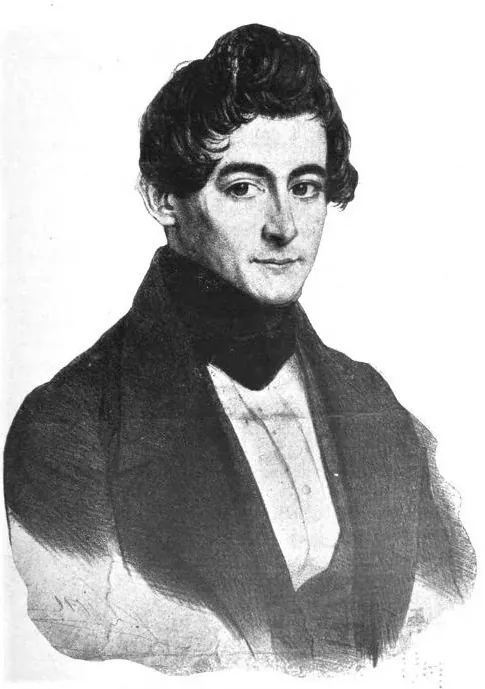
In 1859, a French-born Catholic priest named Adrien Rouquette walked away from his parish in New Orleans and into the woods along Bayou Lacombe, where a community of Choctaw people had lived for generations. He built a hermitage, learned the Choctaw language, and spent the next 28 years living among them — writing poetry in French and Choctaw, ministering in their tongue, and earning the name Chahta Ima, 'like a Choctaw.' Rouquette was already a published poet in France before his self-exile, and his work is the earliest substantial literary output connected to the North Shore. The Choctaw community at Lacombe predated European contact in the region and persisted through every colonial handoff — Spanish, French, English, Spanish again, American. Rouquette's mission was not a conversion campaign in the usual sense; he adapted to their world rather than demanding they adapt to his. The Lacombe Choctaw community still exists today, one of the longest continuously inhabited indigenous settlements in Louisiana. Rouquette died in 1887 and is buried in New Orleans, but the bayou he chose over the city remains the more honest monument.