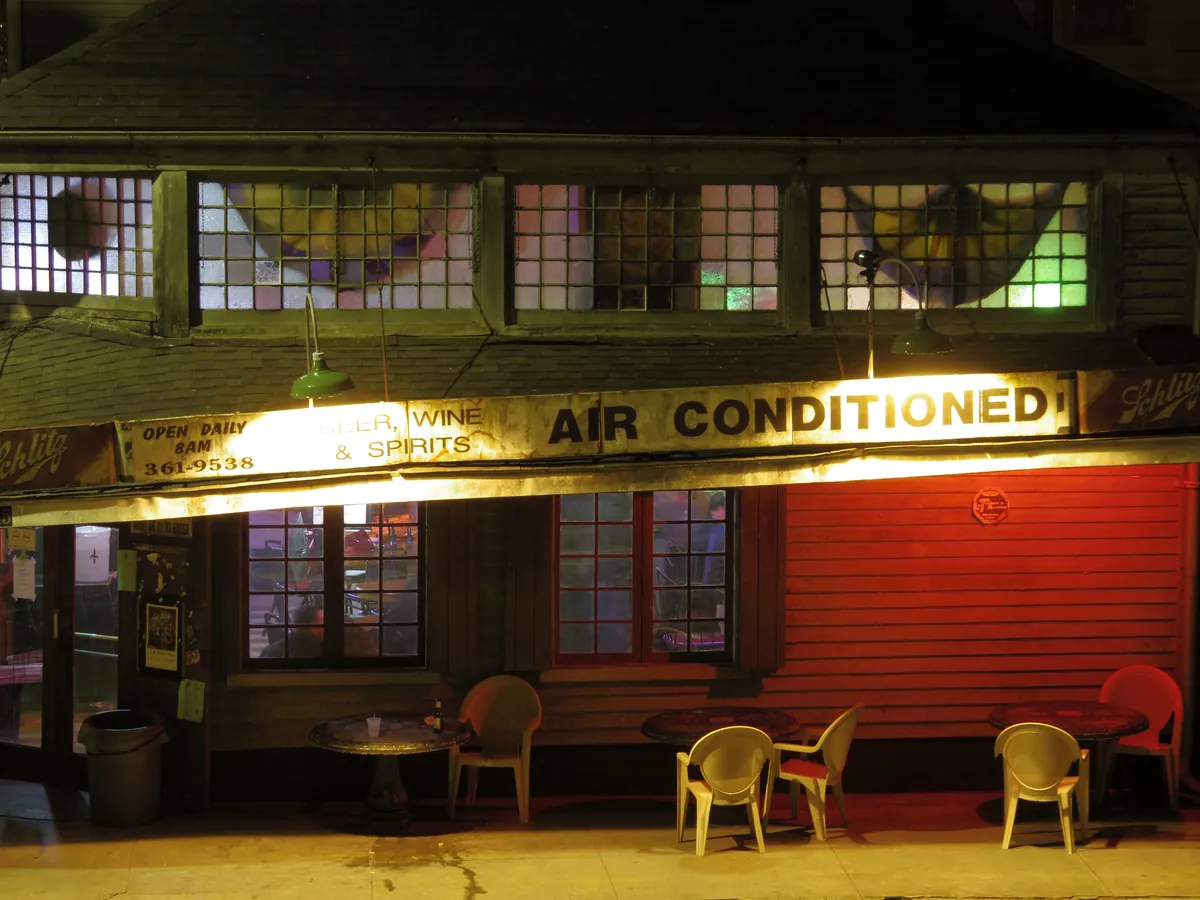
A ferry ride from the Quarter in the 1890s, Algiers had cornet players, brass bands, and dance halls — a Black music scene years before Storyville named the thing jazz. Kid Ory spent early years here. Henry 'Red' Allen did too. The neighborhood made the sound before the city claimed it.
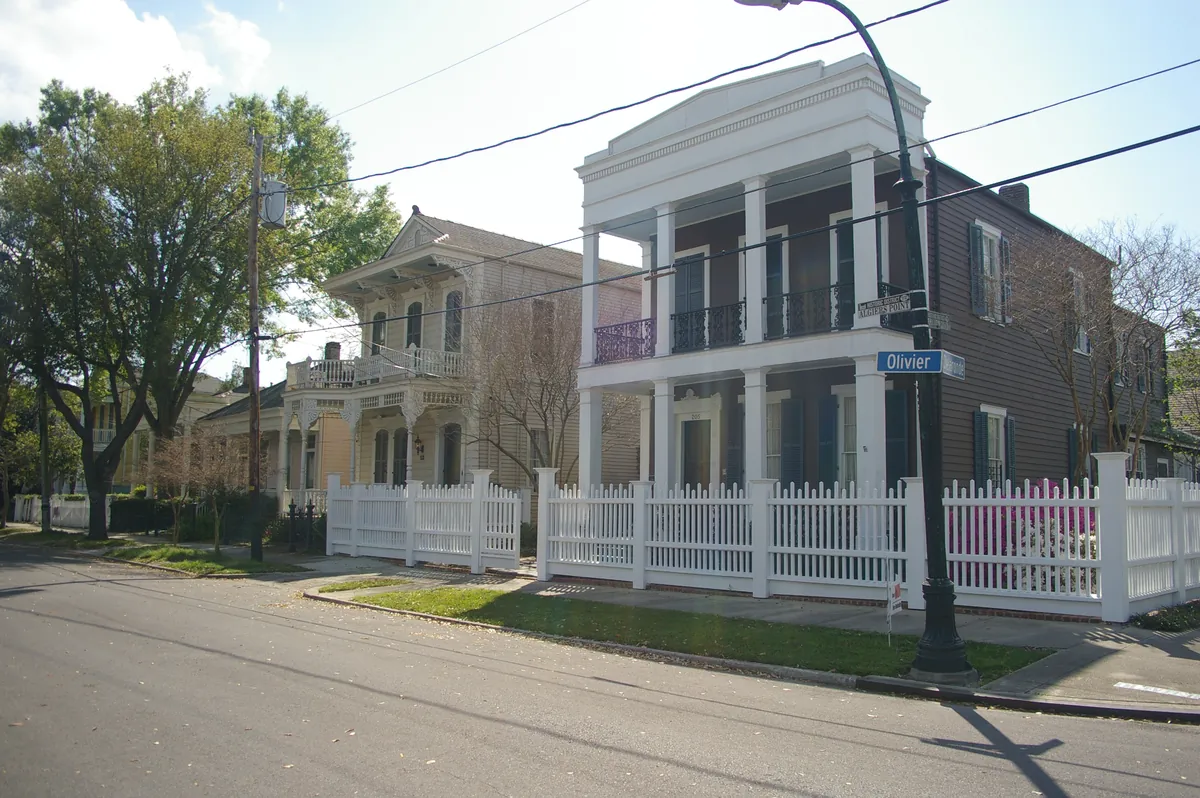
The recording history is thinner than New Orleans proper. The oral history is not. Walk Pelican and Verret streets now and you're moving through what was already a working musical community when the century turned — musicians who played the same funerals, the same Saturday nights, the same corner store fronts as their counterparts across the river, but whose sessions mostly went unrecorded. What survived was what players remembered and what they taught.
The Algiers Folk Art Museum holds what physical record remains. Go there, then walk the blocks where the brass sound came from, and you'll understand: jazz wasn't invented in one place. It was invented in at least two, and the west bank's claim is as old as the east's.
- ·Algiers had its own Black music scene in the 1890s, years before Storyville named jazz.
- ·The neighborhood had cornet players, brass bands, and dance halls just a ferry ride from the Quarter.
- ·Kid Ory and Henry 'Red' Allen both spent early years here.
- ·The recording history is thinner than New Orleans proper, but the oral history is rich.
- ·Visitor tip: the Algiers Folk Art Museum and walking Pelican/Verret streets give the clearest sense of the era.
More archive
Memories
Editorial content compiled with AI assistance. Place details verified against public records.