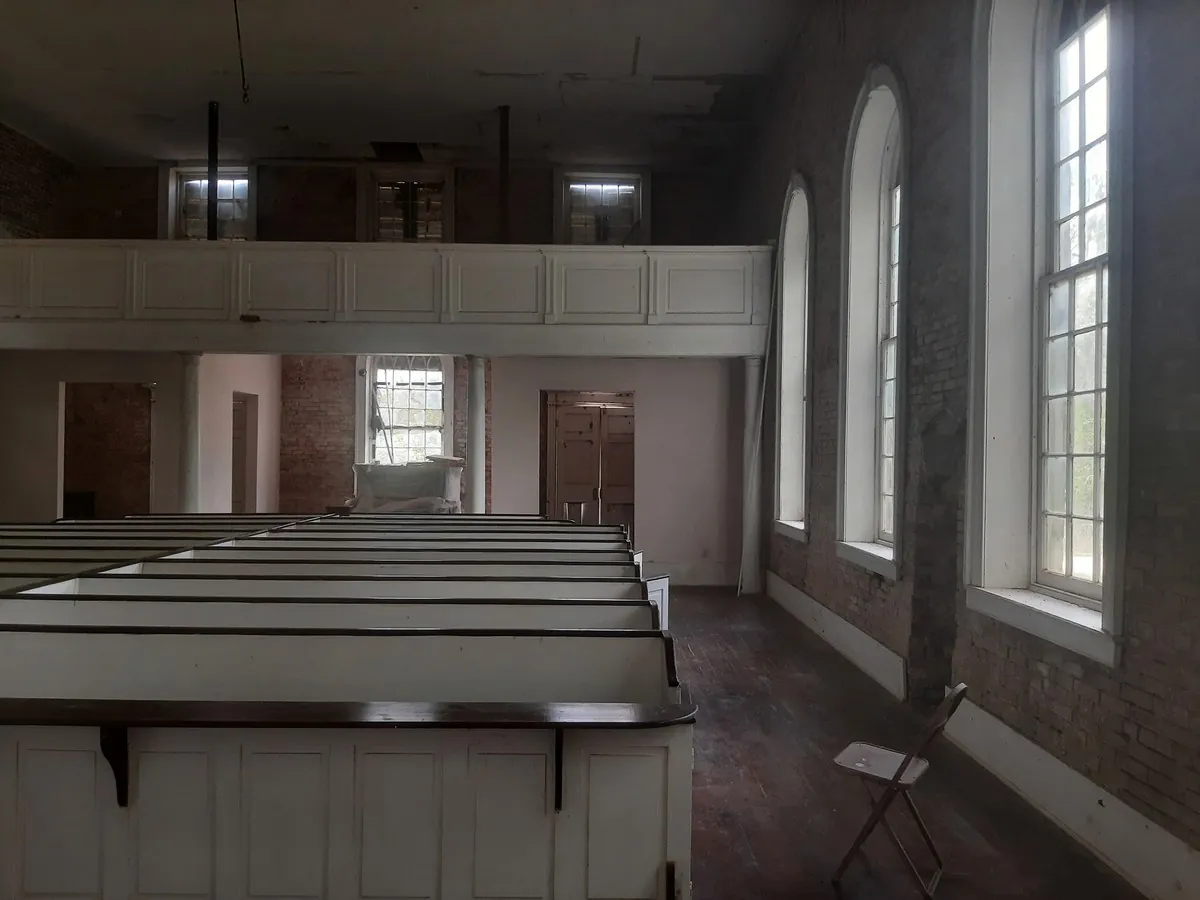
Rodney was the busiest river port between New Orleans and St. Louis in the 1830s and 40s — Jefferson County's commercial heart, cotton freight and gunboats tying up at its landing, churches and warehouses and the Mississippi running by the door. It burned three times — 1837, 1852, and 1869 — and rebuilt each time, because the river was still there.
Around 1864 a sandbar started to form upstream. By 1870 the Mississippi had shifted two miles to the west. By 1940 Rodney sat three miles inland from the river that had built it. The railroad bypassed it; the line ran through Fayette instead, which became the parish seat. The Presbyterian Church lost its full-time pastor in 1923. In the 1930s the Mississippi state legislature revoked the town's incorporation.
About a dozen people still live there. The old Presbyterian Church still stands. The Catholic Church is a ruin. The cemetery is older than most of the surrounding towns. Rodney is the textbook of what the South does with a port whose port leaves it: nothing dramatic, no fire or flood at the end, just the river forgetting to ask before it moved.
What stood here
5 surviving images.
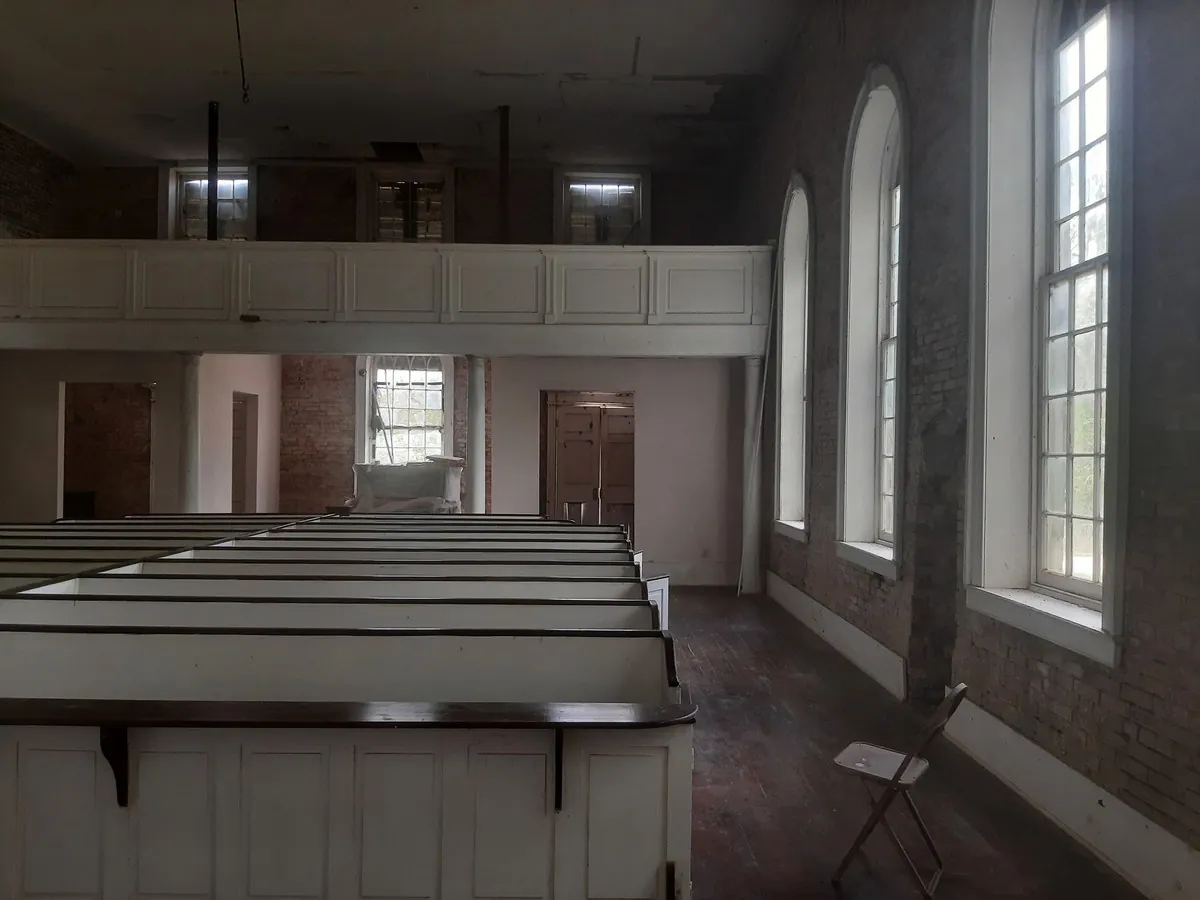
Rodney Presbyterian Church — the iconic ruin, still standing in a town that mostly is not
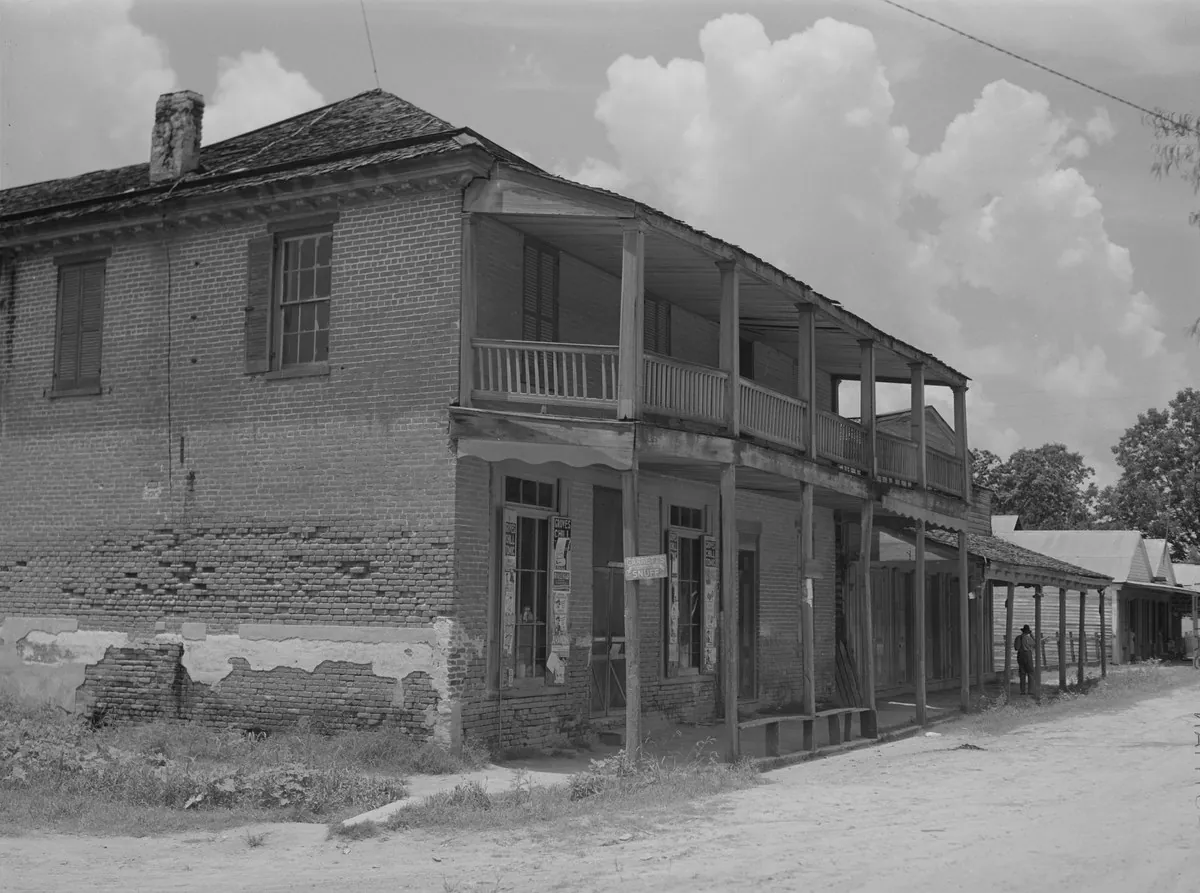
The Rodney hotel in 1940 — seventy years after the river had moved, the building still standing
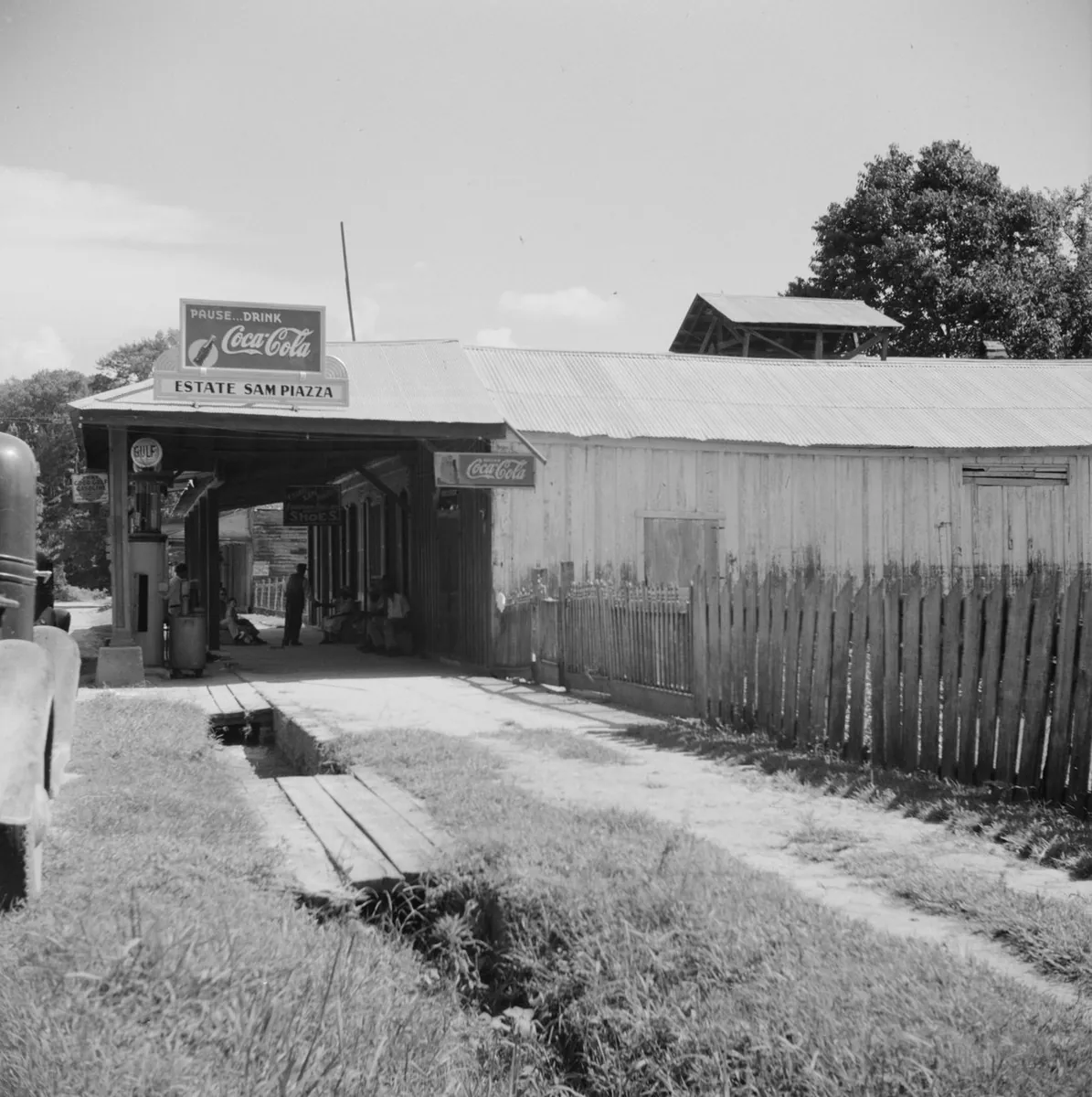
The Rodney grocery store, 1940 — the commerce that left when the river left
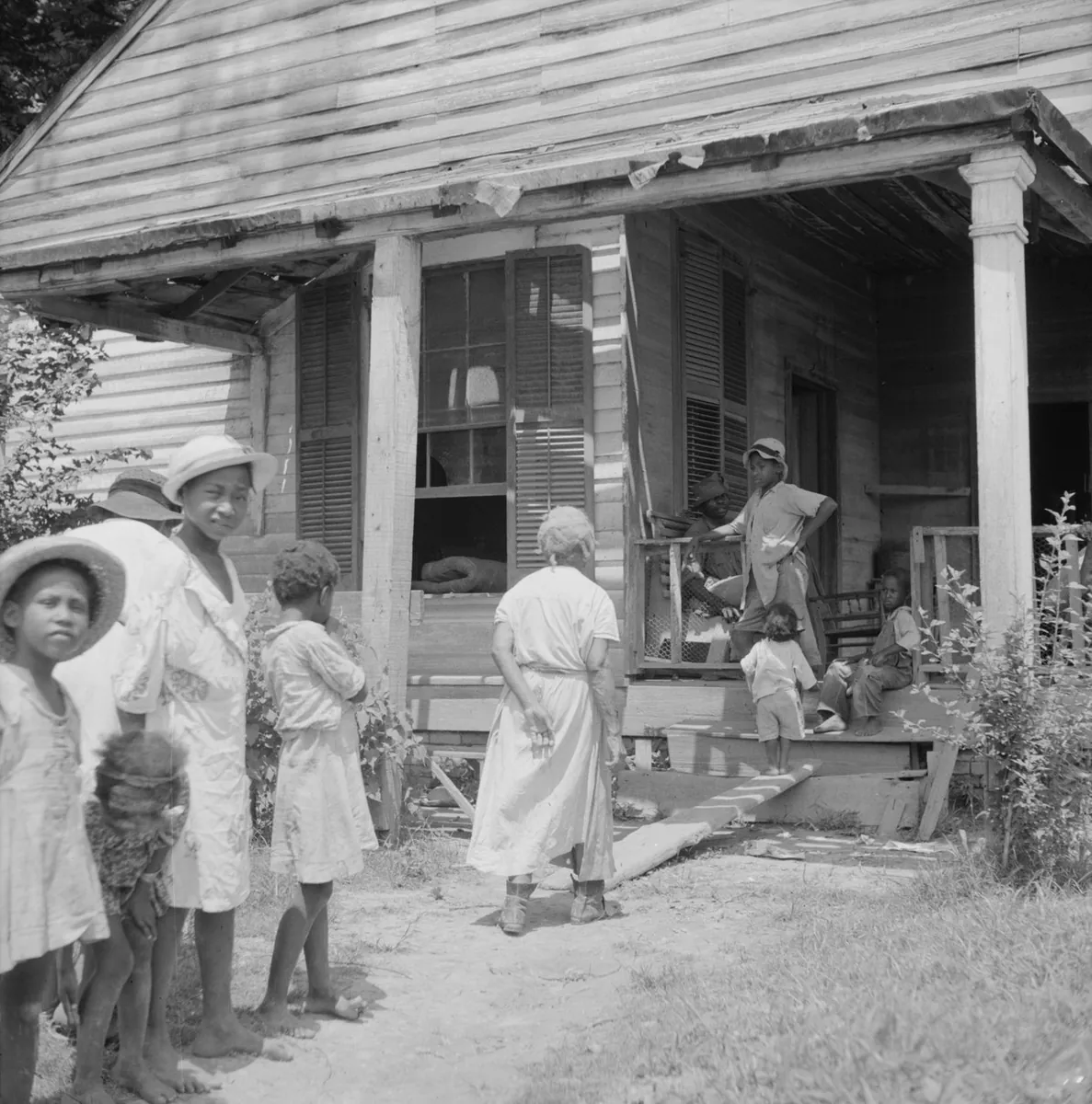
A Rodney home, 1940 — built when the town was on the river; still there when it wasn't
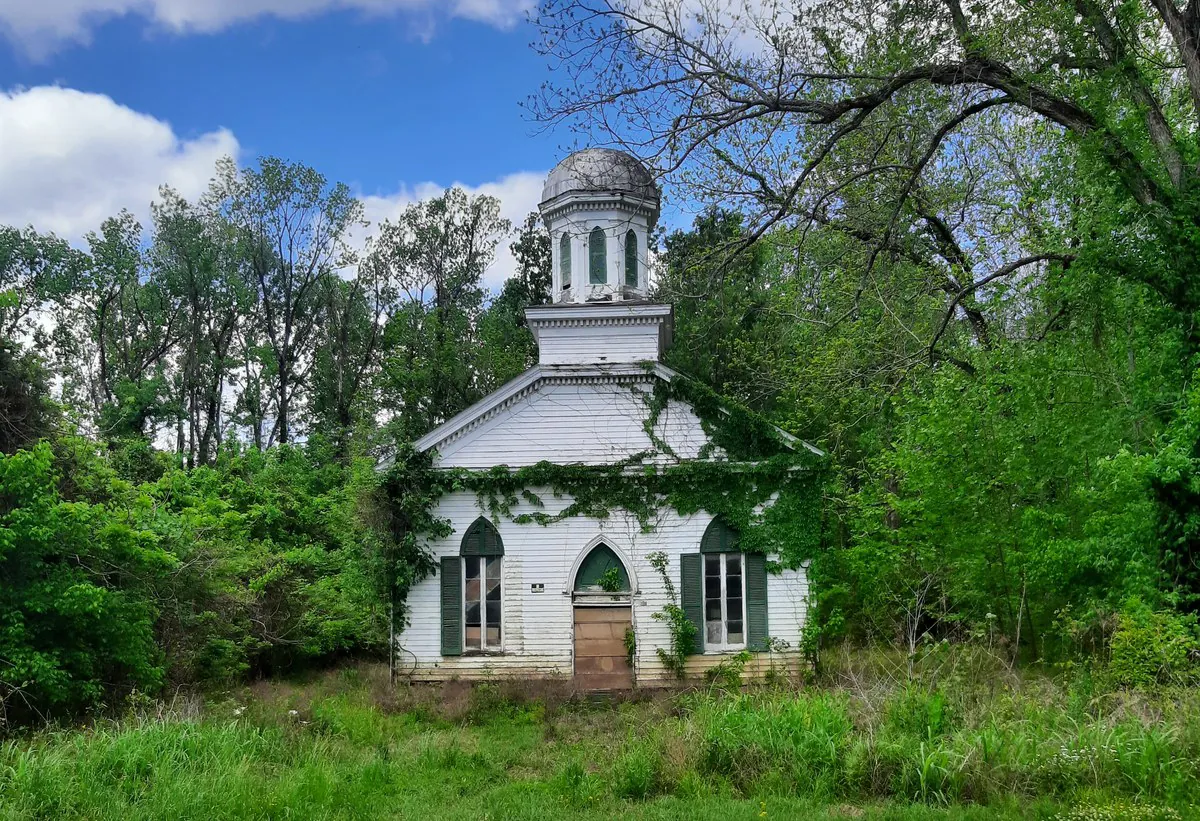
Rodney Baptist Church — the other church of a two-church town that lost the customers a church needs