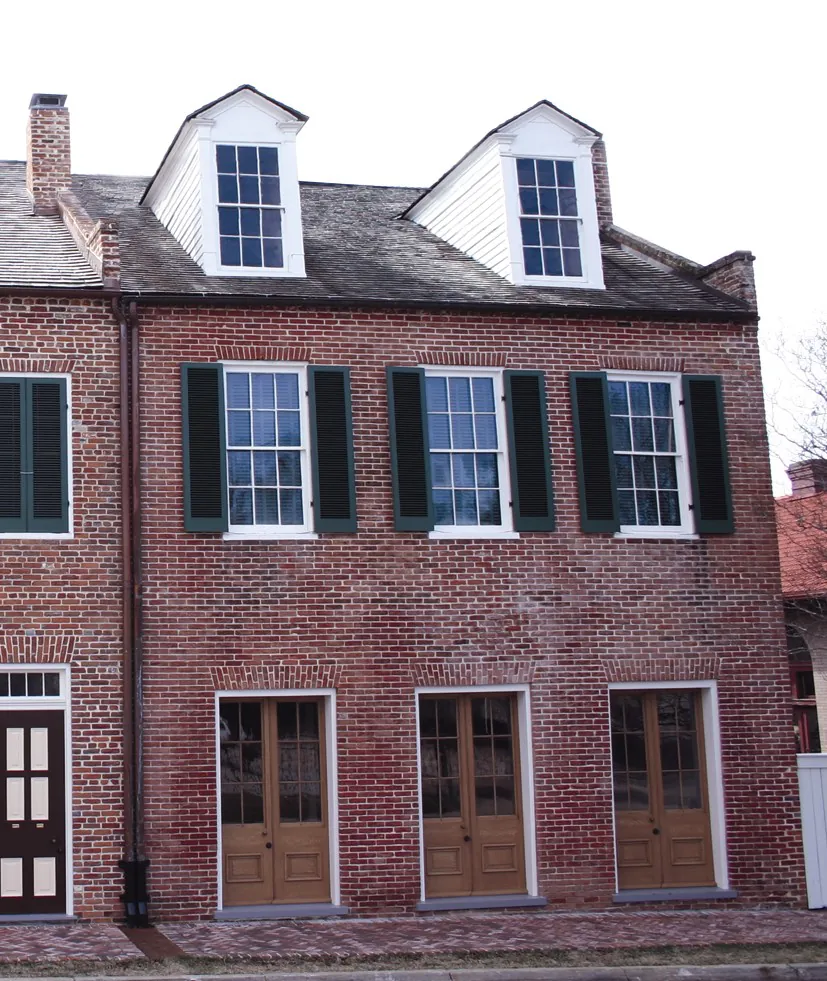
William Johnson built his house from the wreckage of other people's catastrophes. In 1840, a tornado destroyed buildings across Natchez; Johnson salvaged the bricks and used them to construct his home on State Street. He had been born enslaved, freed at age 11, and by the time he built the house he ran a successful barbering business in downtown Natchez.
Between 1835 and 1851, Johnson kept a diary. He recorded cotton prices, horse races, slave auctions, and friendships across racial lines—the ordinary and the brutal, side by side, in one of the most detailed firsthand accounts of antebellum life written by a free Black man. The diary didn't editorialize. It documented.
In 1851, Johnson was murdered in a boundary dispute with a neighbor. The diary ended.
The house is now part of the Natchez National Historical Park. The National Park Service operates a museum inside and offers ranger-guided tours. Check nps.gov/natc for the current schedule. You go to see the physical anchor of a record that survived—brick from ruin, sixteen years of witness in ink, a life that refused the categories the era tried to enforce.
- ·William Johnson was a free Black barber whose 1835–1851 diary is one of the most detailed firsthand accounts of antebellum life.
- ·Born enslaved, freed at age 11, he built a successful barbering business in downtown Natchez.
- ·His diary records cotton prices, horse races, slave auctions, and friendships across racial lines.
- ·Johnson was murdered in 1851 in a boundary dispute with a neighbor.
- ·Part of the Natchez National Historical Park. NPS-operated museum inside.
- ·Open for ranger-guided tours. Check nps.gov/natc for current schedule.
Memories
Editorial content compiled with AI assistance. Place details verified against public records.