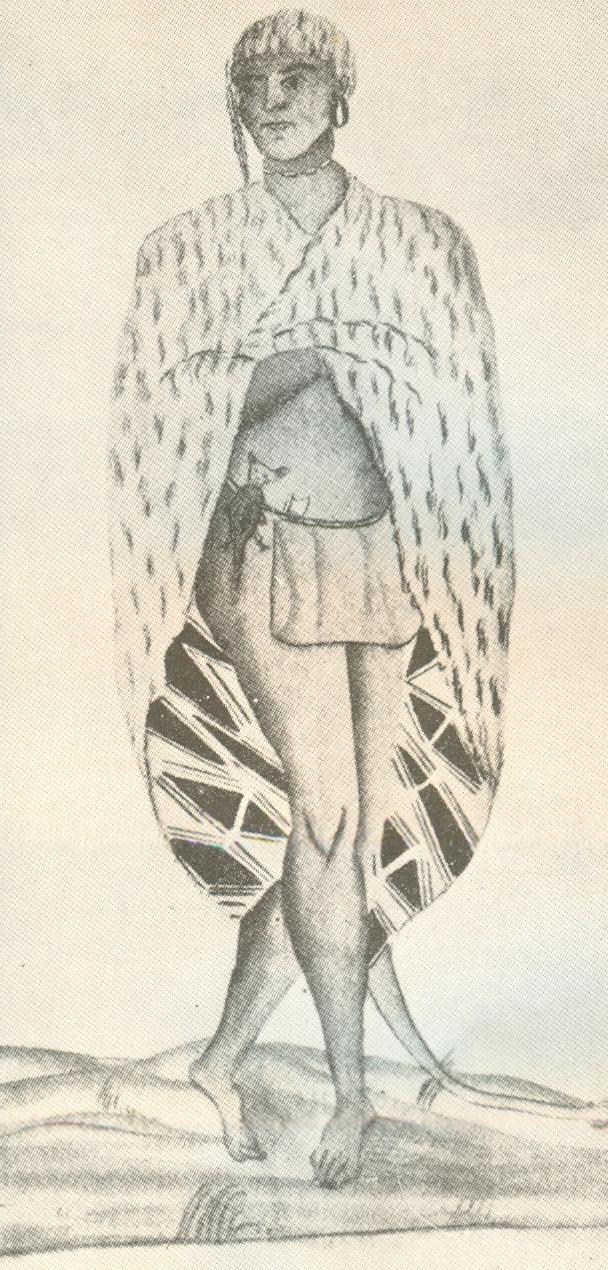
Long before the lumber barons and the sulphur miners, the coastal prairies and cheniers of Southwest Louisiana belonged to the Atakapa-Ishak, a confederation of bands whose territory stretched from Galveston Bay to Vermilion Bay. Their name — given by the Choctaw and meaning "man-eater" — was a slander that stuck, used for centuries to justify displacement. The Atakapa-Ishak called themselves Ishak, simply "the people." They were fishermen and hunters who built shell middens along the Calcasieu and Mermentau rivers, navigated the coastal marshes by pirogue, and harvested the same shellfish beds that commercial operations still work today. French and Spanish colonizers encountered them repeatedly but never established the mission system that shaped other Gulf Coast tribes. By the nineteenth century, disease, displacement, and intermarriage had scattered the surviving bands. The Atakapa-Ishak have no federal recognition and no reservation, but the nation persists — reorganized, active in cultural preservation, and still present in the same coastal landscape their ancestors shaped for thousands of years. The name Calcasieu itself likely derives from an Atakapa word meaning "crying eagle."