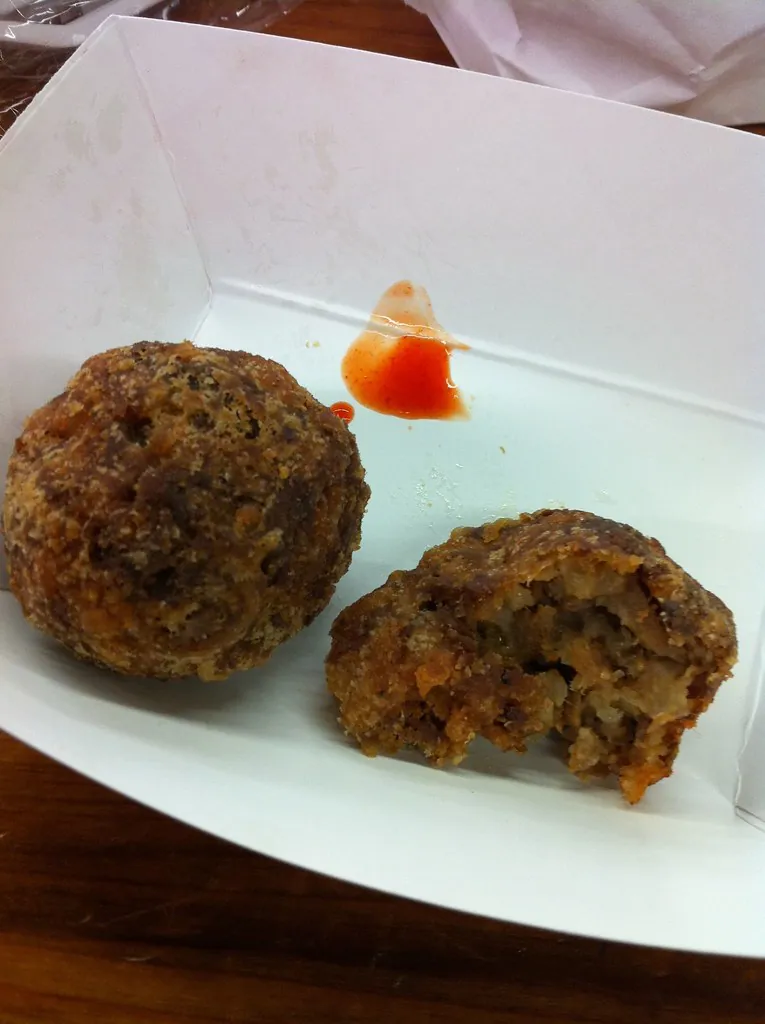
Before refrigeration, the arrival of cold weather in Cajun Country meant one thing: boucherie. Neighbors gathered at a farm before dawn to slaughter a hog and process every part of it before the day ended. Nothing was wasted. The intestines became the casing for boudin and sausage. The blood became boudin rouge. The rendered fat became lard for cooking. The backbone went into a stew. The skin was fried into cracklins. The communal labor fed the whole neighborhood and cemented the social bonds that held rural communities together through isolation and hardship. The boucherie is the origin of Cajun food culture — the reason boudin, cracklins, tasso, and smoked sausage are so embedded in daily life here. A few families still hold traditional boucheries each winter. The tradition also survives commercially: in the boudin trail, in the butcher shops that process whole hogs on order, and in the cracklins sold in brown paper bags at gas stations across Acadiana.