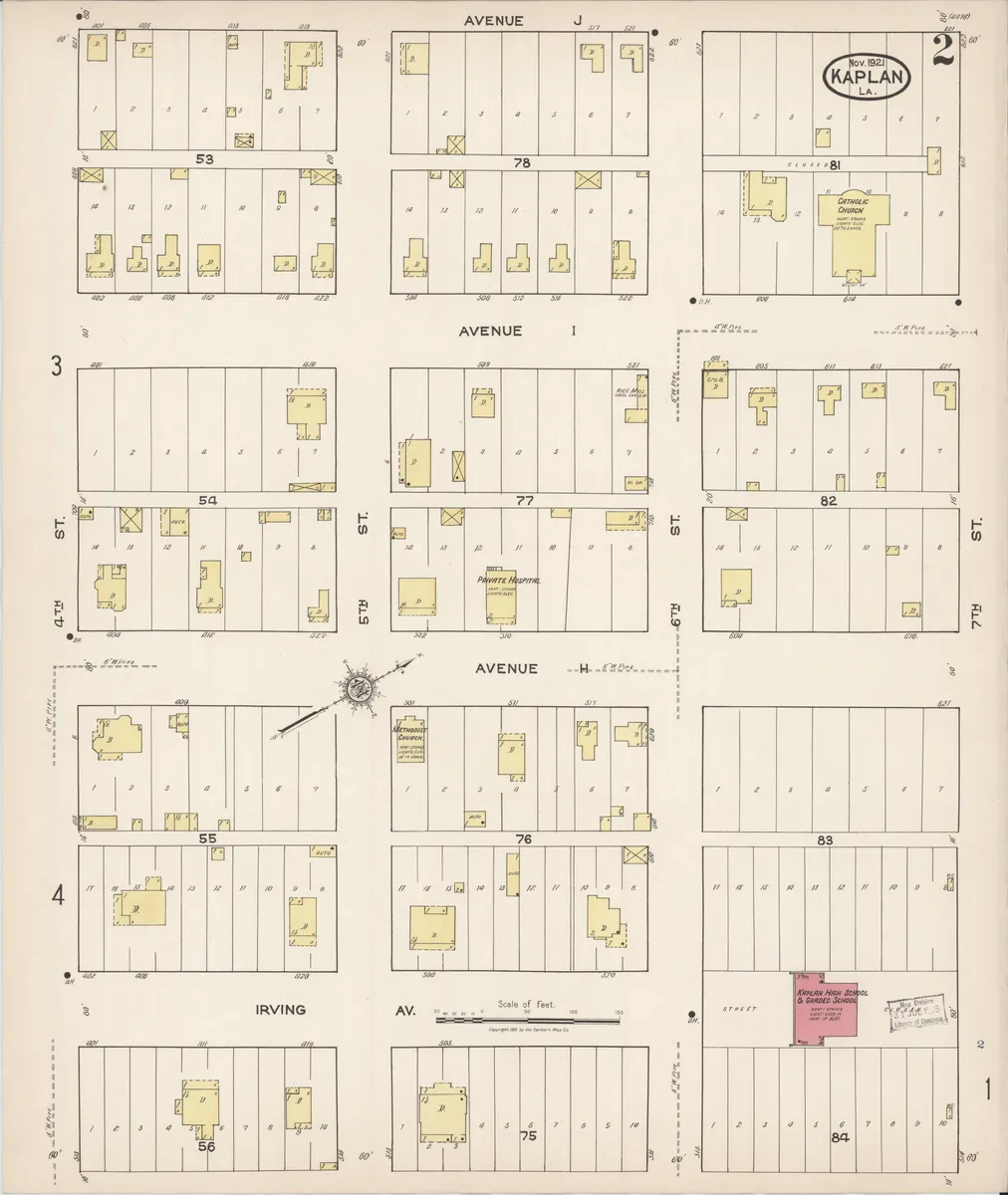
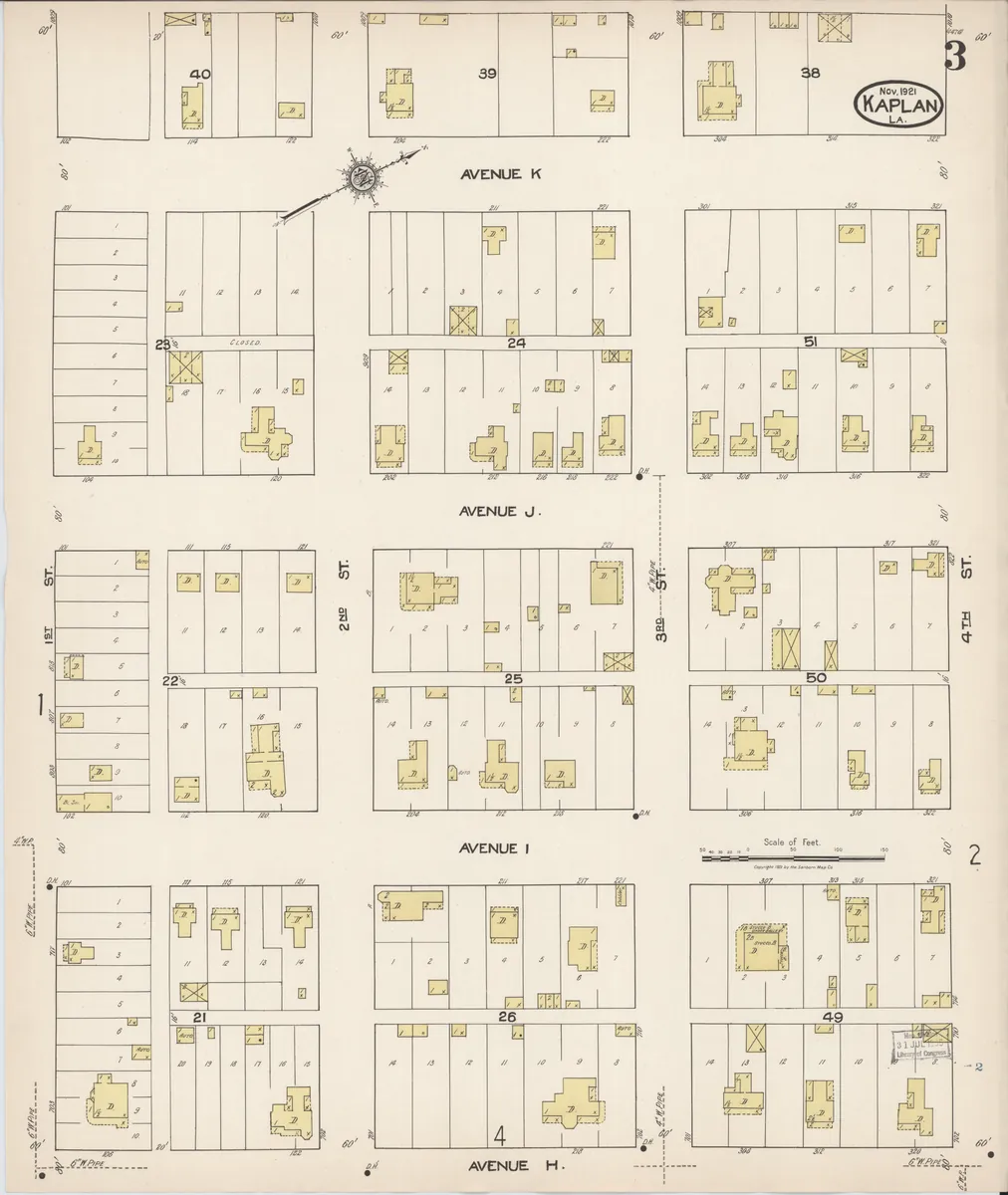
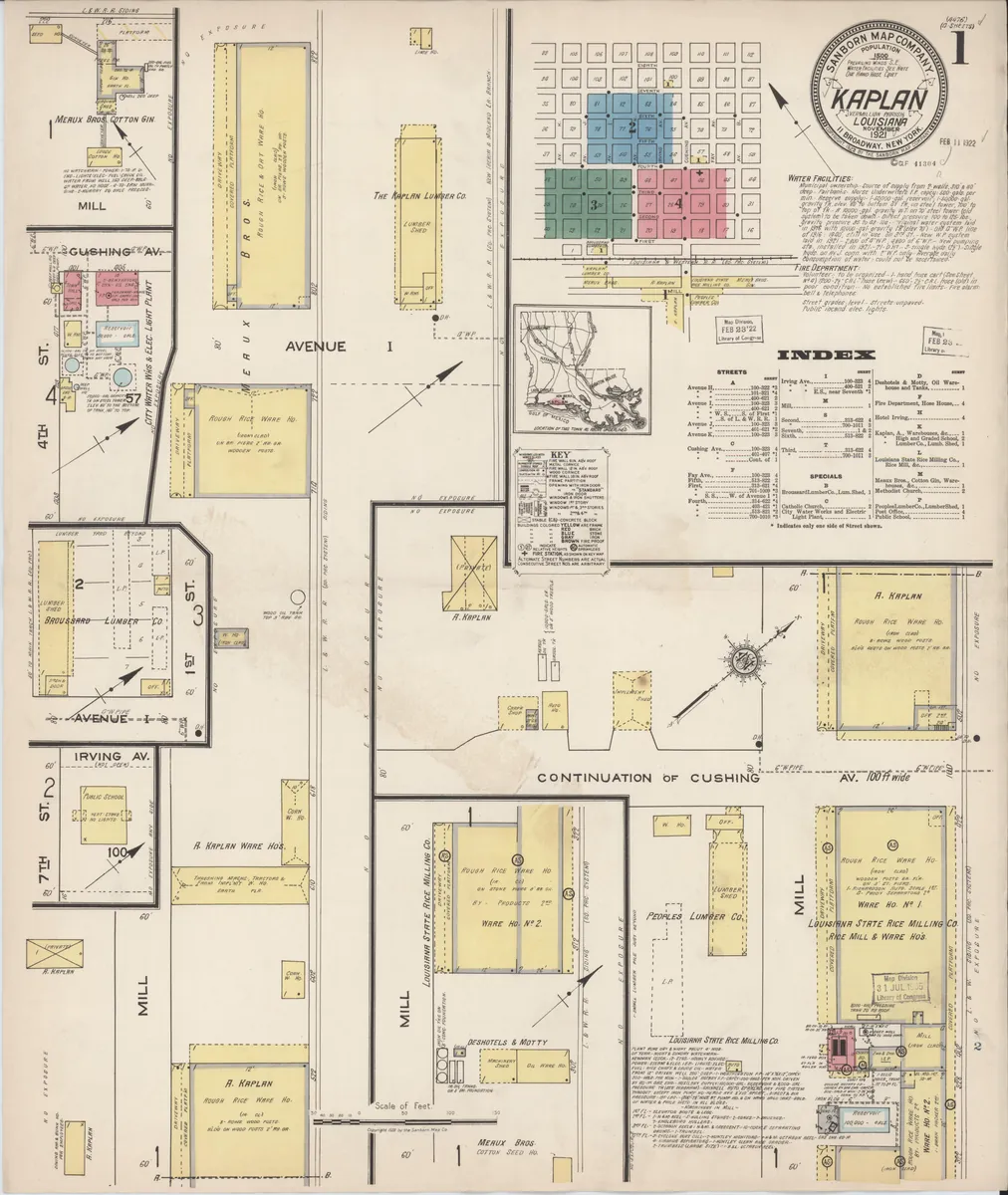
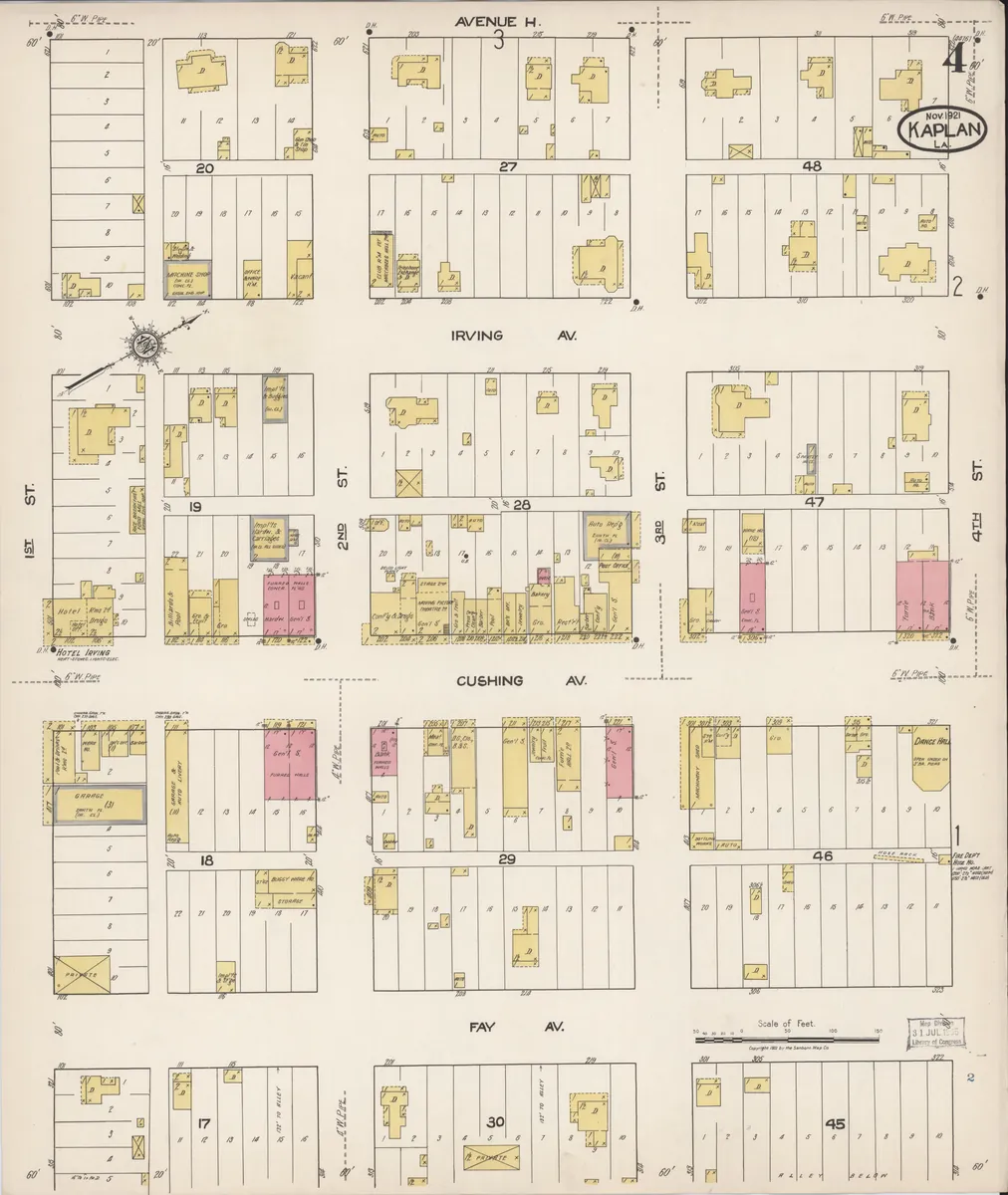
Abrom Kaplan, a Jewish merchant from the Midwest, bought a section of Cajun Prairie in 1902 and began selling plots. The flat, wet land drew Dutch immigrants who recognized the terrain — they built a Reformed church and established dairy farms. In a region shaped by Acadian expulsion and resettlement, where French-speaking Catholic families had made the land their own after being driven from Canada, Kaplan became something else entirely: a Dutch Reformed settlement on Louisiana prairie.
Dutch and Cajun Catholic families have worked the same fields in Vermilion Parish for over a century. Rice paddies and crawfish ponds now cover the land their ancestors first broke. The Reformed church still stands. It is an ethnic pairing no other town in the parish shares, a cultural footnote that exists because one merchant saw farmland and others saw home. Nobody outside Acadiana knows it happened.
- ·Founded in 1902 when Abrom Kaplan, a Jewish merchant from the Midwest, bought a section of Cajun Prairie and sold plots to settlers.
- ·A significant number of Dutch immigrants settled here — drawn by flat, wet farmland that reminded them of home.
- ·The Dutch community built a Reformed church and established dairy farms, giving Kaplan an ethnic character unlike any other town in Vermilion Parish.
- ·Dutch Reformed and Cajun Catholic families have farmed the same prairie in the same parish for over a century.
- ·Rice fields and crawfish ponds surround the town today, farmed by descendants of both Dutch and Cajun settlers.
- ·A genuinely unusual cultural combination that nobody outside Acadiana knows about.
More archive
Memories
Editorial content compiled with AI assistance. Place details verified against public records.