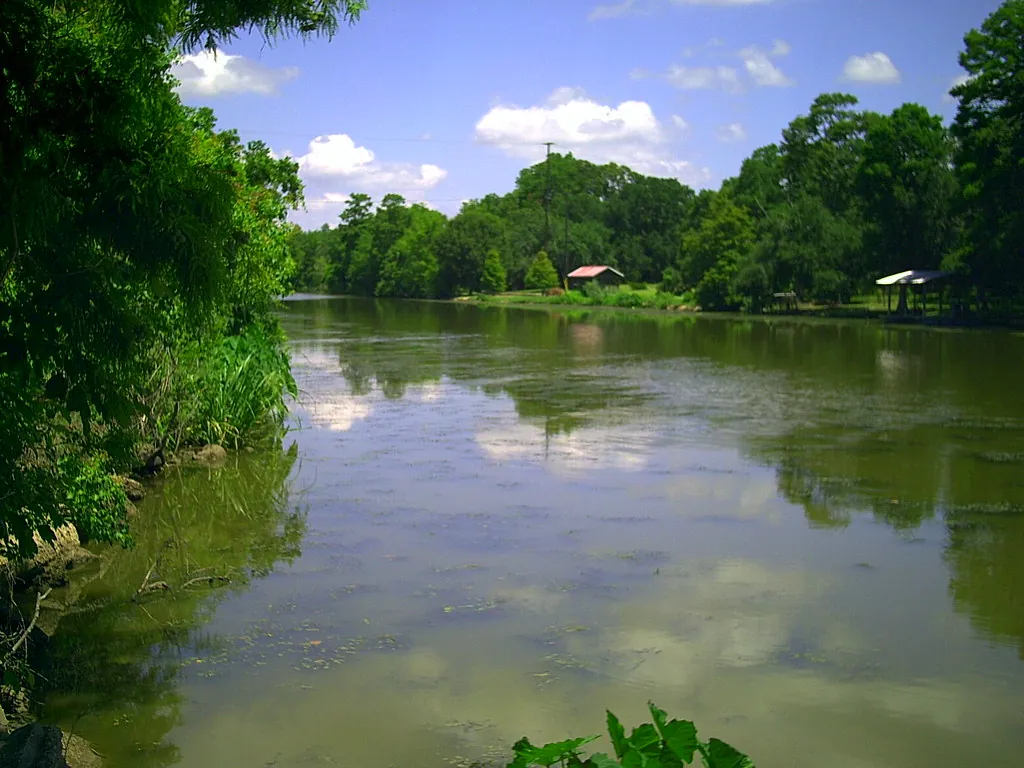
Sugar built this town on Bayou Teche—Nicholas Provost was growing cane here by 1816, worked by enslaved Americans and African Americans—and when Jeanerette incorporated in 1878, its economy ran on cypress lumber and sugar. Enough sugar that the nickname stuck: Sugar City. Three mills ran here into the twenty-first century. The one inside city limits closed in the first decade of the 2000s, dismantled, its equipment sold off.
The museum sits in a pink cottage on Main Street and tells the industrial story of that crop from the perspective of the town that processed it. Not the planter families. Grinding machinery. Mill workers. The economics of Louisiana's most important agricultural product. What no plantation tour does: it centers the labor and the industry, not the mansion.
Sugarcane remains a key factor in the local economy. Jeanerette is home to manufacturers of equipment for the cultivation, harvesting, and processing of sugarcane. This museum is where you understand what that actually meant—what it still means—to live in a place nicknamed for the crop that defined it. Check hours before visiting.
- ·Jeanerette has been a sugar town since the 1800s, sitting on Bayou Teche between New Iberia and St. Martinville.
- ·The museum tells the industrial story of sugarcane from the perspective of the town that processed it — not the planter families.
- ·Covers grinding machinery, mill workers, the economics of Louisiana's most important agricultural product.
- ·Does what no plantation tour does: centers the labor and the industry, not the mansion.
- ·Housed in a charming pink cottage on Main Street.
- ·Located on Main Street in Jeanerette. Check hours before visiting.
Memories
Editorial content compiled with AI assistance. Place details verified against public records.