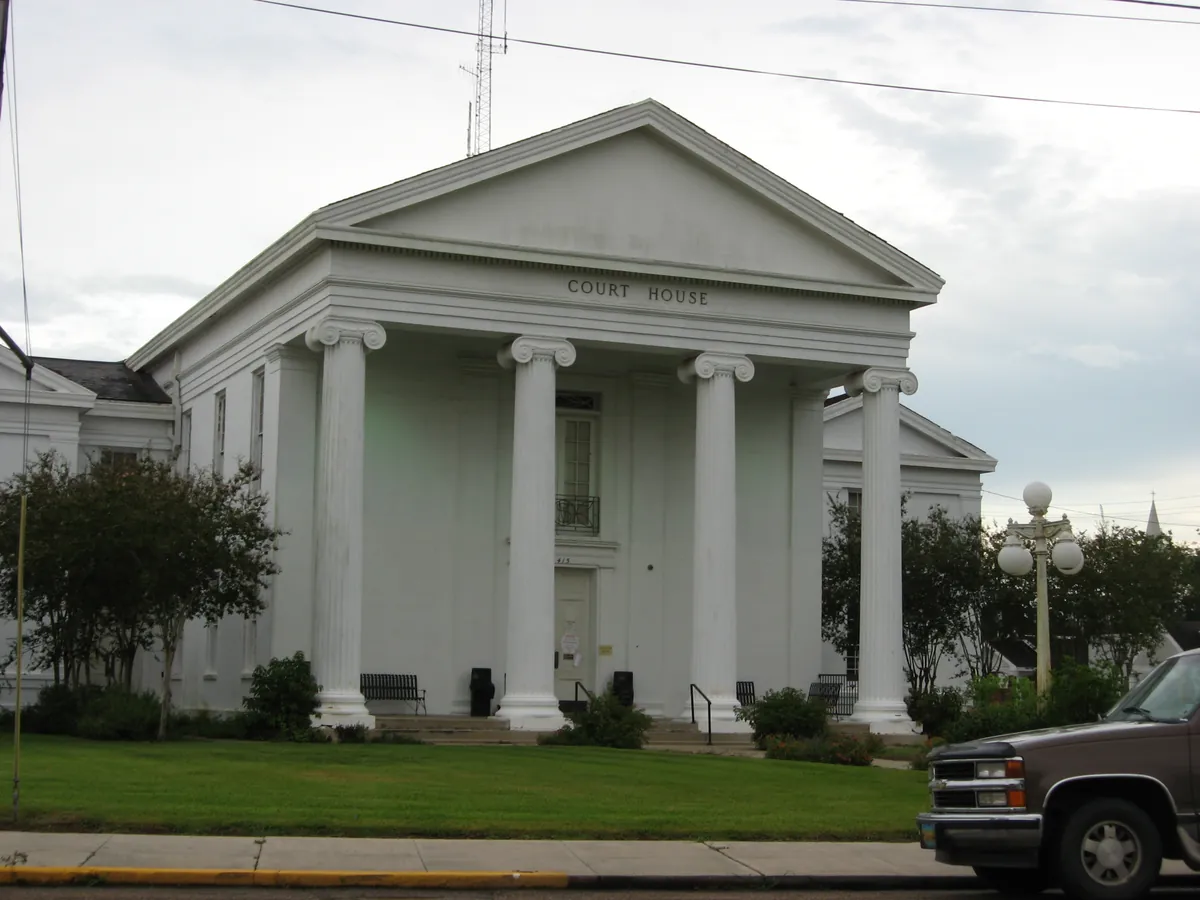
The French arrived in the mid-1700s and built on Attakapas land what would become one of Louisiana's oldest towns. After the Revolution sent Royalist refugees across the Atlantic — people who'd known opera houses and salons — St. Martinville earned a nickname it still carries: Le Petit Paris. The theaters are gone, but what stayed is rarer. St. Martin Parish has the highest percentage of French speakers of any county or parish in the United States. The descendants maintained what was brought.
In 1867, Monroe Baker was appointed mayor, one of the earliest African American mayors to serve anywhere in the country. The fact sits in the record without fanfare, which doesn't make it smaller.
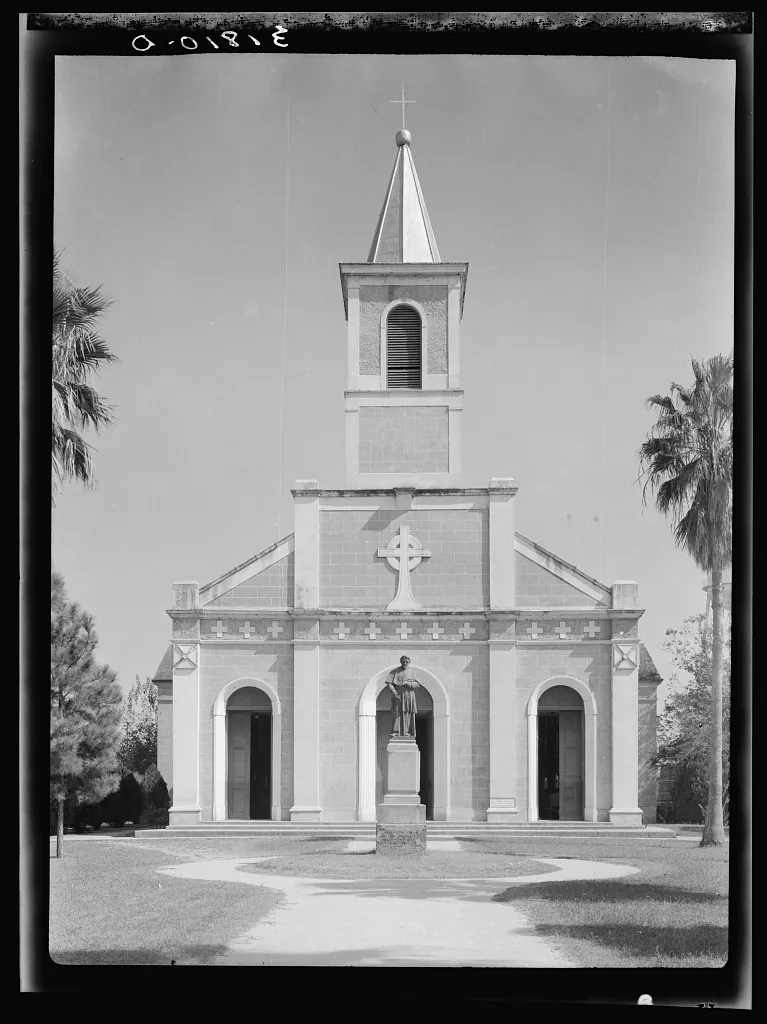
The town is 6,000 people and a walkable historic core. St. Martin de Tours Church anchors Main Street. The Evangeline Oak, the Acadian Memorial, and the African American Museum all radiate from there. You can cover the landmarks on foot, which means you cover the whole argument the town makes about what lasted and what it cost to keep it.
- ·One of the oldest towns in Louisiana — originally Attakapas territory, settled by the French in the mid-1700s.
- ·Earned the nickname Le Petit Paris for its opera house, theaters, and French Royalist refugees fleeing the Revolution.
- ·In 1867, Monroe Baker was appointed mayor — one of the earliest African American mayors to serve anywhere in the United States.
- ·Seat of St. Martin Parish, population roughly 6,000.
- ·Home to the Evangeline Oak, the Acadian Memorial, St. Martin de Tours Church, and the African American Museum.
- ·A walkable historic core. Start at the church on Main Street and everything radiates from there.
More archive

Memories
Editorial content compiled with AI assistance. Place details verified against public records.